

.jpg)
Are you experiencing gas and bloating while taking Pantoprazole?
This article will provide an in-depth look at the relationship between Pantoprazole and digestive issues, including common side effects and research studies on gastrointestinal issues.
We will also explore tips to reduce gas and bloating while using Pantoprazole, as well as natural remedies for relief.
Discuss managing diet and improving gut health while on Pantoprazole.
Whether you are seeking alternatives to Pantoprazole or simply looking to improve your digestive health, this article will provide valuable insights.
If you are ready to take control of your digestion, keep reading! And if you are looking for natural solutions to digestive problems, don’t forget to check out doTERRA essential oils at NaturalHealingSG.com/doterra.
Key Takeaways:
- Pantoprazole may be prescribed for acid reflux, but it can also cause gas and bloating as common side effects.
- Studies have shown a link between pantoprazole and gastrointestinal issues, so it’s important to be aware of potential symptoms.
- Natural remedies, such as Doterra essential oils, can help alleviate gas and bloating while taking pantoprazole and improve overall gut health.
Introduction to Pantoprazole and its Effects on Digestion
Pantoprazole is a medication known for its significant impact on digestion, particularly in addressing conditions such as GERD and gastrointestinal issues.
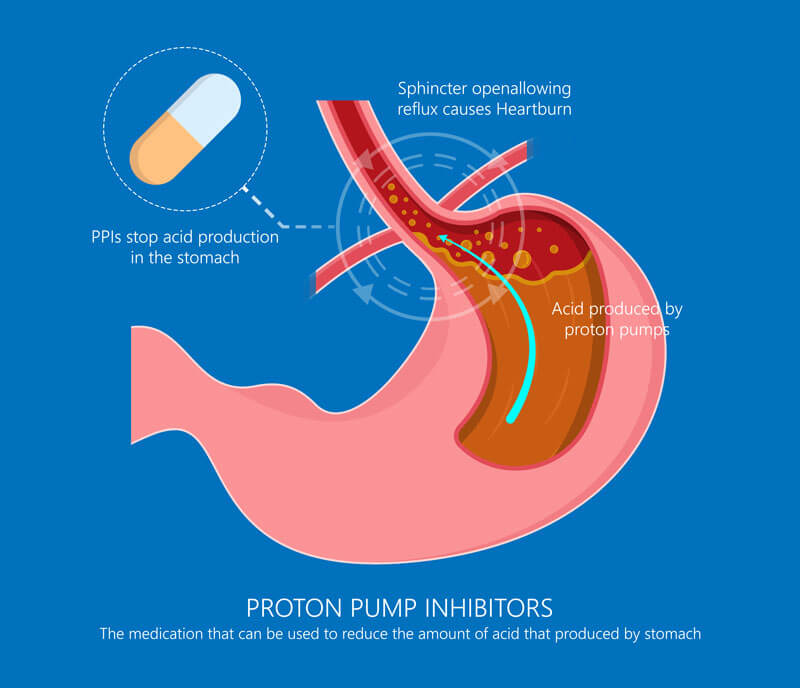
GERD, or gastroesophageal reflux disease, is a common disorder characterized by the regurgitation of stomach acid into the esophagus, causing symptoms like heartburn and difficulty swallowing. Pantoprazole works by inhibiting the proton pump in the stomach, reducing acid production and providing relief from these uncomfortable symptoms. It is often prescribed for short-term treatment of GERD and long-term management of conditions like erosive esophagitis. The efficacy of Pantoprazole in controlling acid reflux and promoting healing of the esophagus lining has made it a cornerstone in the treatment of gastrointestinal disorders.
Overview of Pantoprazole
Pantoprazole, classified as a proton pump inhibitor, comes in tablet form and is widely used for the treatment of various medical conditions.
Proton pump inhibitors, including Pantoprazole, work by reducing the amount of acid produced in the stomach. This medication is commonly prescribed to alleviate symptoms of gastroesophageal reflux disease (GERD), ulcers, and conditions related to excessive stomach acid production. Click here to learn more about the potential side effects of pantoprazole, such as gas and bloating.
The recommended dosage of Pantoprazole typically varies based on the specific condition being treated. It is essential to follow the guidance provided by a healthcare professional regarding the timing and frequency of taking this medication.
Pantoprazole is known for its effectiveness in providing relief from acid-related ailments, making it a valuable treatment option for those suffering from gastrointestinal issues.
Impact of Pantoprazole on the Body
Pantoprazole exerts a profound impact on the body by reducing stomach acid production, promoting gut health, and mitigating conditions linked to inflammation and kidney problems.
When Pantoprazole enters the system, it targets the proton pumps in the stomach lining, responsible for acid secretion. By inhibiting the activity of these pumps, the drug effectively reduces the production of gastric acid, thus alleviating symptoms of acid reflux and ulcers. This mechanism not only aids in digestive comfort but also helps in preventing damage to the esophagus caused by prolonged exposure to stomach acid.
In addition, the regulation of stomach acid by Pantoprazole contributes to creating a more balanced gut environment. By maintaining optimal pH levels in the stomach, the drug supports the growth of beneficial gut bacteria while inhibiting harmful pathogens. This restoration of gut flora plays a crucial role in enhancing overall digestive function and nutrient absorption.
The anti-inflammatory properties of Pantoprazole offer further benefits to the body. By reducing acid-related irritation in the gastrointestinal tract, the drug helps in soothing inflammation and promoting healing. This is particularly beneficial for individuals dealing with conditions like gastritis or esophagitis, where excessive stomach acid exacerbates tissue damage.
Studies have shown that prolonged use of medications impacting stomach acid, including proton pump inhibitors like Pantoprazole, may be linked to kidney problems. Research also suggests that with appropriate monitoring and dosage adjustments, the risks can be minimized. By understanding these physiological effects, healthcare providers can optimize the benefits of Pantoprazole while mitigating potential complications, ensuring the overall well-being of patients.
Common Side Effects of Pantoprazole
While Pantoprazole is effective in managing digestive issues, it can also present common side effects that individuals should be aware of.
Common side effects of Pantoprazole include nausea, abdominal pain, and headache. These are generally mild and may resolve on their own as the body adjusts to the medication. More severe side effects like severe diarrhea, persistent vomiting, or irregular heartbeat should be promptly reported to a healthcare provider.
Management strategies for mild side effects often involve simple remedies like staying hydrated, eating smaller meals, or avoiding trigger foods. In the case of persistent or severe side effects, adjusting the dosage or switching to an alternative medication may be necessary after consulting a healthcare professional.
Relationship Between Pantoprazole and Gas/Bloating
The relationship between Pantoprazole and gas/bloating is complex, often intertwined with conditions like reflux disease and gastrointestinal side effects.
Pantoprazole works by reducing the production of stomach acid, which can alleviate symptoms of acid reflux, such as heartburn and indigestion.
In some cases, the reduction of stomach acid can lead to an overgrowth of bacteria in the digestive tract, potentially causing gas and bloating.
It’s essential to consult a healthcare provider if gas and bloating persist while taking Pantoprazole, as they can help determine the underlying cause and adjust the treatment plan accordingly.
Understanding the Link
To comprehend the link between Pantoprazole and gas/bloating, one must consider factors like gut health, inflammation, and their interplay with digestive processes.
When Pantoprazole is used to inhibit stomach acid production, it can lead to alterations in the balance of digestive enzymes and gut bacteria, impacting the efficacy of food breakdown and nutrient absorption. This disruption in gut flora can trigger an inflammatory response, causing bloating and gas. Chronic inflammation in the gastrointestinal tract can compromise the integrity of the gut lining, leading to a condition known as ‘leaky gut syndrome,’ which exacerbates digestive discomfort. Imbalances in gut microbiota composition can contribute to dyspepsia, a common culprit of gas and bloating.
Research Studies on Pantoprazole and Gastrointestinal Issues
Research studies on Pantoprazole have shed light on its efficacy in addressing gastrointestinal issues, highlighting its effects on gut microbiome and bacterial balance.
Recent research has delved deeper into the relationship between Pantoprazole and the delicate balance of bacteria within the gut. Studies have shown that prolonged use of this medication can lead to alterations in the gut microbiome, potentially impacting overall digestive health. The disruption in bacterial balance caused by Pantoprazole may have far-reaching implications for individuals, influencing not only gastrointestinal function but also the body’s ability to absorb nutrients efficiently.
Tips to Reduce Gas and Bloating While Using Pantoprazole
For individuals experiencing gas and bloating while using Pantoprazole, implementing lifestyle changes such as adequate water intake and fiber consumption can aid in symptom relief.
Hydration is crucial in promoting proper digestion and preventing constipation, which can contribute to bloating. Aim to drink at least eight glasses of water a day to stay adequately hydrated. Plus water, incorporating fiber-rich foods like fruits, vegetables, whole grains, and legumes into your diet can help regulate bowel movements and reduce gas buildup.
Consider keeping a food journal to identify potential trigger foods that may exacerbate your symptoms. Certain foods like beans, broccoli, cabbage, and carbonated drinks are known to cause bloating in some individuals. Experiment with eliminating these foods or consuming them in smaller quantities to see if it makes a difference.
When to Seek Medical Attention for Gas/Bloating with Pantoprazole
Knowing when to seek medical attention for gas/bloating while using Pantoprazole is crucial, especially if symptoms persist or if adverse effects are observed.
When experiencing persistent gas or bloating in conjunction with Pantoprazole, seeking guidance from a healthcare provider is essential. Consulting a healthcare professional allows for a thorough evaluation of your symptoms and helps to determine if they are related to the medication or indicate other underlying health issues. Possible warning signs that warrant immediate medical attention include severe abdominal pain, bloody stool, or difficulty breathing. These symptoms could indicate serious complications requiring prompt intervention to ensure your well-being and safety.
Alternatives to Pantoprazole for Managing Acid Reflux
While Pantoprazole is commonly prescribed for acid reflux management, there are alternative treatments available, particularly for individuals with conditions like Zollinger-Ellison syndrome.
For individuals seeking alternatives, prescription drugs such as pantoprazole, Omeprazole, Esomeprazole, or Ranitidine may be considered. These medications work by reducing the amount of acid produced in the stomach, providing relief from heartburn and acid reflux symptoms.
Specialized therapies like acid-suppressing medications, lifestyle modifications, and dietary changes can also aid in managing acid reflux effectively without solely relying on Pantoprazole.
Natural Remedies for Gas and Bloating Relief with Pantoprazole
Plus medication, natural remedies can offer effective relief for gas and bloating when combined with Pantoprazole, addressing digestive tract discomfort and reducing inflammation.
Regarding digestive health, incorporating holistic approaches that focus on overall well-being can provide long-term benefits beyond symptom relief. Natural remedies such as ginger tea, peppermint oil, and probiotics have shown promise in promoting gut health and balancing the digestive system. By including these remedies alongside Pantoprazole, individuals may experience improved digestion, reduced bloating, and a calmer stomach.
Embracing natural remedies can help in reducing inflammation in the gut, which is often linked to digestive issues like gas and bloating. Turmeric, with its anti-inflammatory properties, can aid in soothing the gut lining and promoting better digestion. Incorporating digestive enzymes from sources like pineapple and papaya can also support the body’s natural digestive processes, helping to alleviate discomfort and bloating.
Managing Diet While Taking Pantoprazole
Maintaining a balanced diet and monitoring food intake through a food diary can complement the effects of Pantoprazole, ensuring optimal potassium levels and supporting overall well-being.
Individuals prescribed with Pantoprazole should pay attention to their potassium intake as proton pump inhibitors like Pantoprazole might affect potassium absorption.
- Foods rich in potassium, such as bananas, potatoes, and spinach, can help maintain the potassium balance in the body.
Lifestyle adjustments like reducing caffeine and alcohol consumption can further enhance the effectiveness of Pantoprazole. Ensuring a diet rich in fiber and low in acidic foods can also aid in managing acid reflux symptoms while on this medication.
Improving Gut Health While Using Pantoprazole
Enhancing gut health while on Pantoprazole involves fostering a healthy balance of gut bacteria, supporting the gut microbiome, and minimizing risks associated with kidney disease.
One key aspect of optimizing gut health alongside Pantoprazole therapy is to incorporate probiotic-rich foods into your diet. Probiotics are beneficial bacteria that can help restore and maintain a healthy balance of gut flora. Yogurt, kefir, kimchi, and sauerkraut are excellent sources of probiotics that can aid in promoting digestive health.
Consuming prebiotic foods, such as bananas, onions, garlic, and whole grains, can provide nourishment for the good bacteria in your gut. These foods contain dietary fibers that support the growth of beneficial microbes.
It’s also crucial to stay hydrated, as water plays a vital role in maintaining proper digestive function. Adequate hydration supports the transport of nutrients to the gut and helps in the elimination of waste products.
Conclusion: Strategies for Better Digestive Health with Pantoprazole
Implementing comprehensive strategies that prioritize digestive health and overall well-being while using Pantoprazole can help individuals mitigate issues such as constipation and allergic reactions.
One key aspect to consider is maintaining a balanced diet rich in fiber, probiotics, and hydrating fluids to support healthy digestion processes. Incorporating regular physical activity and stress-reducing techniques like yoga or meditation can also aid in fostering gut health. Understanding the potential side effects of Pantoprazole, such as vitamin deficiencies or gastrointestinal infections, allows patients to take proactive steps in consultation with their healthcare provider. Exploring complementary therapies like acupuncture or herbal remedies may offer holistic support alongside conventional treatment.
Frequently Asked Questions
Does pantoprazole cause gas and bloating?
No, pantoprazole is a medication used to reduce stomach acid and is not known to cause gas and bloating. However, individual reactions may vary and it is best to consult with a doctor if you experience these symptoms while taking pantoprazole.
Can I use pantoprazole and doterra essential oil together for digestion problems?
While both pantoprazole and doterra essential oil may help with digestion problems, it is always recommended to consult with a healthcare professional before combining any medication with natural remedies. They can advise on the best course of treatment for your specific needs.
How can doterra essential oil help with gas and bloating?
Doterra essential oils have been known to have soothing and calming effects on the digestive system, which can help reduce gas and bloating. Some popular options for digestion include peppermint, ginger, and fennel essential oils.
Is doterra essential oil safe to use for gas and bloating?
Doterra essential oils are generally considered safe for use, but it is important to follow proper dilution guidelines and take caution if you have any pre-existing conditions or allergies. It is always best to consult with a certified aromatherapist or healthcare professional before use.
Where can I buy doterra essential oil?
You can purchase doterra essential oils from various retailers, but it is recommended to buy directly from a certified distributor to ensure the authenticity and quality of the product. You can visit our website at https://www.NaturalHealingSG.com/doterra to purchase doterra essential oils and other natural health products.
Can doterra essential oil be used for other digestive issues?
Yes, doterra essential oils have been known to offer relief for a variety of digestive issues such as nausea, indigestion, and constipation. It is important to consult with a healthcare professional for proper usage and dosage recommendations.


