

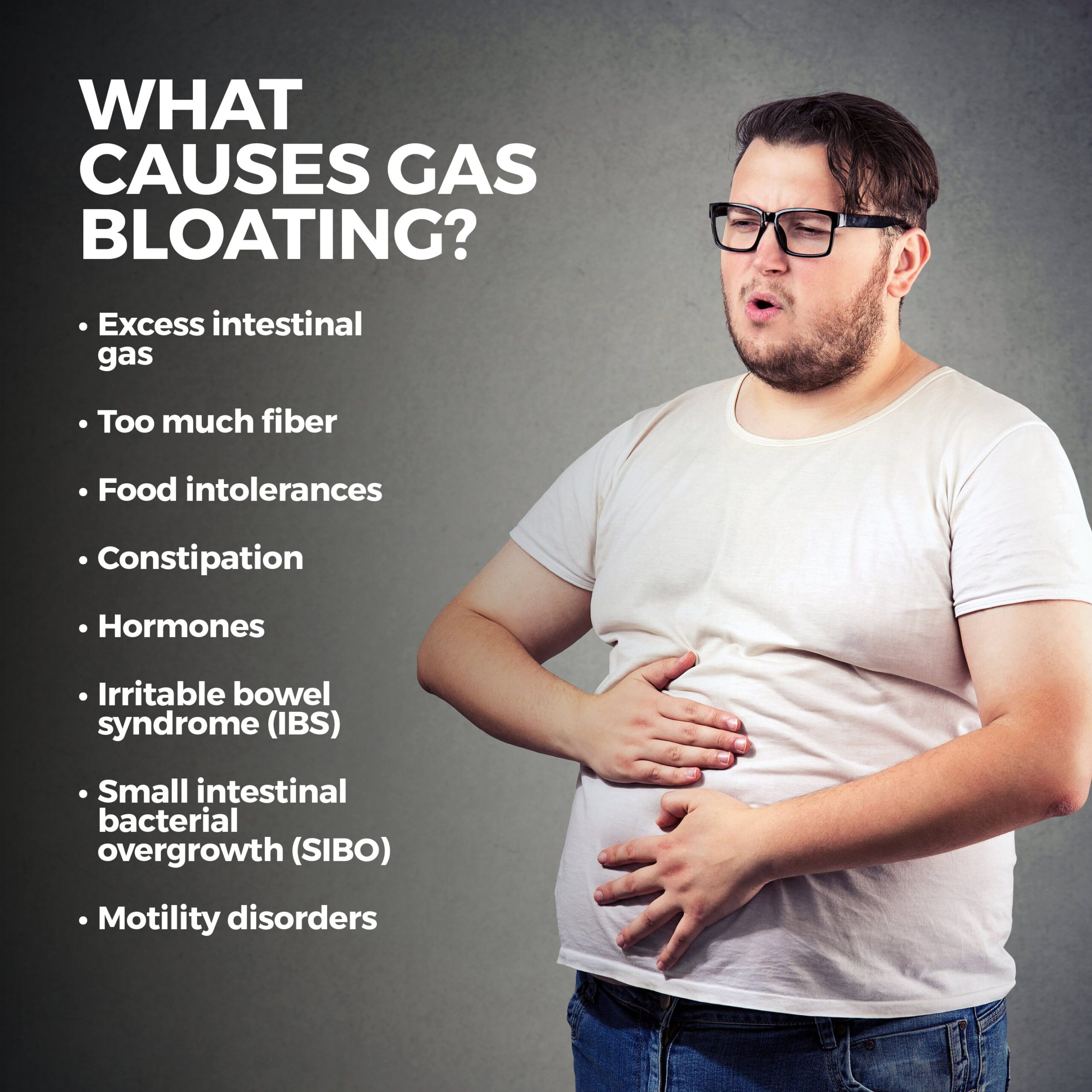
Struggling with constipation and bloating can be uncomfortable and frustrating. From dietary factors to hormonal influence, there are various reasons why these digestive issues may occur.

We explore the common causes of constipation and bloating, treatment options, and prevention strategies. Delve into the impact of irregular bowel movements on women’s health, gender disparities in constipation, and the importance of gastrointestinal health in preventing cancers.
Stay tuned for key takeaways and natural remedies, including the benefits of doTERRA essential oils for digestive health. Ready to improve your digestion? Check out NaturalHealingSG.com/doterra to discover the best solution for your digestive issues.
About Constipation and Bloating
Constipation and bloating are common gastrointestinal issues that can cause discomfort and affect daily life.
Constipation, characterized by infrequent bowel movements or difficulty passing stools, affects a large portion of the population on a global scale. It can lead to bloating, abdominal pain, and a general feeling of heaviness. Bloating, often accompanied by gas or flatulence, contributes to the overall discomfort experienced by individuals grappling with these digestive problems.
These conditions can disrupt regular routines, impacting work, social interactions, and overall quality of life. Symptoms like stomach cramps, increased gas, and bloating can vary in intensity, making it hard for individuals to predict when they will strike. Dealing with consistent constipation and bloating poses challenges in maintaining a healthy lifestyle, requiring individuals to make significant dietary and lifestyle adjustments.
Common Causes of Constipation and Bloating
The common causes of constipation and bloating can be attributed to various factors ranging from dietary choices to underlying medical conditions.
One of the primary reasons for constipation and bloating is a lack of fiber in one’s diet. Fiber plays a crucial role in promoting healthy digestion by adding bulk to the stool, making it easier to pass through the intestines.
Dehydration can also contribute to constipation, as insufficient water intake can lead to harder stools and slower bowel movements.
Hormonal influences can also impact bowel regularity, with fluctuations in estrogen and progesterone levels affecting gut motility.
Dietary Factors
Dietary factors play a crucial role in the development of constipation and bloating, with fiber intake, hydration levels, and food choices impacting digestive health.
In terms of managing constipation and bloating, incorporating fiber-rich foods into one’s diet is highly recommended. Fiber aids in regulating bowel movements, softening stool, and promoting overall gut health. Plus fiber, ensuring an adequate water intake is essential to prevent dehydration which can worsen constipation. By following a well-rounded diet that includes a variety of fruits, vegetables, whole grains, and legumes, individuals can improve their digestion and reduce the likelihood of experiencing digestive issues like constipation and bloating.
Hormonal Influence
Hormonal fluctuations, particularly in women, can contribute to episodes of constipation and bloating due to their impact on digestive processes.
Estrogen and progesterone, two key hormones in the female body, play crucial roles in regulating digestion.
Estrogen
affects gut motility, which can influence the speed at which food moves through the intestines, potentially leading to constipation.
Progesterone
can relax smooth muscle tissue in the digestive tract, slowing down the movement of food and leading to bloating. These hormonal changes during the menstrual cycle can result in fluctuations in bowel habits, causing discomfort and digestive issues.
Excess Gas Build-Up
Excess gas build-up in the gastrointestinal tract can result in bloating, discomfort, and abdominal pain, necessitating relief measures for symptom management.
Several factors can contribute to the excessive gas accumulation in the stomach and intestines. Dietary choices play a significant role, with certain foods like beans, lentils, dairy products, and carbonated beverages known to cause gas production. Swallowing air while eating or drinking too quickly can lead to gas build-up. Digestive disorders such as irritable bowel syndrome (IBS), lactose intolerance, and celiac disease can also contribute to bloating and gas discomfort. Inadequate fiber consumption and bacterial overgrowth in the gut further exacerbate gas-related symptoms.
Caloric Intake Changes
Fluctuations in caloric intake can impact digestive processes, potentially leading to episodes of constipation and bloating as the body adjusts to dietary changes.
A sudden increase or decrease in caloric intake can disrupt the delicate balance of the gastrointestinal system, affecting the efficiency of food digestion and nutrient absorption. This disruption can result in irregular bowel movements and abdominal discomfort, such as bloating.
Diet plays a crucial role in regulating metabolism and overall digestive health, as different foods can have varying effects on the gut microbiome, which in turn influences bowel regularity. For instance, a diet high in refined sugars and fats may lead to inflammation in the digestive tract, causing symptoms like gas and bloating.
It is essential to maintain a balanced diet to support optimal gastrointestinal function, ensuring a steady supply of nutrients for the body while minimizing the risk of digestive disturbances. By being mindful of caloric intake and making healthy food choices, individuals can promote better digestive well-being and overall health.
Underlying Medical Conditions
Underlying medical conditions such as irritable bowel syndrome (IBS), polyps, or colorectal cancer can manifest as symptoms of constipation and bloating, requiring timely diagnosis and management by healthcare providers.
Chronic constipation, often accompanied by bloating, can be a significant indicator of more serious gastrointestinal issues. While occasional digestive discomfort is common, persistent symptoms should not be ignored.
- IBS, a common disorder affecting the large intestine, can lead to abdominal pain, gas, and altered bowel habits. It is crucial to differentiate IBS from other conditions to determine the most effective treatment plan.
- Polyps in the colon may cause changes in bowel movements, including constipation and bloating. Early detection through screening tests can prevent the development of colorectal cancer, which shares similar symptoms.
Seeking evaluation from a healthcare professional is essential for accurate diagnosis and tailored care to address underlying gastrointestinal concerns.”
Treatment Options for Constipation and Bloating
Treatment options for constipation and bloating vary from doctor-prescribed medications to natural remedies and lifestyle modifications aimed at improving digestive health.
Doctor-prescribed medications can include laxatives, stool softeners, or prescription drugs to stimulate bowel movements or address underlying causes. On the other hand, natural remedies such as fiber supplements, probiotics, and herbal teas can help regulate bowel movements and alleviate bloating. Lifestyle adjustments like increasing water intake, regular exercise, and maintaining a fiber-rich diet are crucial for long-term management.
Doctor-Prescribed Medications
Doctors may recommend specific medications to address constipation and bloating based on individual diagnosis and severity of symptoms.
For constipation, doctors often prescribe laxatives to help soften the stool and promote regular bowel movements. Fiber supplements are also a common recommendation to increase stool bulk and aid in easier passage. Additionally, stool softeners can be useful in making the stool easier to pass.
In terms of bloating, antispasmodic medications are frequently used to reduce intestinal cramping and discomfort. Some doctors may also suggest probiotics to help restore healthy gut flora and alleviate bloating.
Natural Remedies and Lifestyle Changes
Plus medications, natural remedies and lifestyle modifications like improved hydration and regular exercise can help alleviate symptoms of constipation and bloating.
Hydration plays a crucial role in maintaining regular bowel movements as it softens the stool, making it easier to pass. Incorporating high-fiber foods such as fruits, vegetables, and whole grains can also aid in improving digestive function. Engaging in physical activity, even moderate exercises like walking or yoga, can stimulate bowel motility and reduce bloating. These holistic approaches not only address the symptoms but also support overall gastrointestinal health for long-term benefits.
Preventing Constipation and Bloating
Preventing constipation and bloating involves adopting proactive measures such as following a balanced diet, maintaining hydration, and engaging in regular physical activity.
One key strategy to prevent constipation and bloating is to include an optimal amount of fiber in your diet. Fiber-rich foods such as fruits, vegetables, whole grains, and legumes can aid in smooth bowel movements. Staying adequately hydrated by consuming plenty of water throughout the day can help soften stools and make them easier to pass.
Regular physical activity not only promotes overall health but also encourages the natural contraction of intestinal muscles, aiding in the movement of waste through the digestive tract.
When to Seek Medical Advice
Consulting a doctor is advisable when persistent constipation and bloating symptoms affect daily life or are accompanied by concerning signs that warrant medical evaluation.
Some signs that may indicate the need for medical intervention in cases of chronic constipation and bloating include unexplained weight loss, severe abdominal pain, blood in the stool, or sudden changes in bowel habits. These symptoms could be indicative of underlying conditions such as irritable bowel syndrome, inflammatory bowel disease, or even colorectal cancer. Seeking timely healthcare advice is crucial as early diagnosis can lead to more effective treatment options and improved outcomes. By discussing your symptoms openly with a healthcare professional, you can receive an accurate diagnosis and tailored treatment plan to address the root cause of your digestive issues.
Understanding Irregular Bowel Movements in Women
Irregular bowel movements in women can be influenced by hormonal fluctuations, particularly during the menstrual cycle, impacting overall digestive health.
During the menstrual cycle, the interplay of hormones like estrogen and progesterone can have a significant effect on the digestive system. The fluctuation in hormone levels can lead to changes in bowel habits, such as constipation or diarrhea. For example, rising levels of progesterone during the luteal phase can slow down digestion, resulting in constipation for some women. Conversely, right before menstruation, when estrogen levels drop, some women may experience looser stools.
It’s important to recognize these connections between hormonal changes and bowel movements to address gastrointestinal issues effectively. Hormonal balance is crucial not just for reproductive health but also for maintaining a healthy gut. Imbalances in estrogen or progesterone levels can disrupt the normal functioning of the digestive system, leading to symptoms like bloating, cramps, or irregular bowel movements.
Impact of Menstrual Cycle on Digestive Health
The menstrual cycle’s hormonal variations can influence digestive health in women, leading to changes in bowel habits and potential discomfort during specific phases.
During the menstrual cycle, estrogen and progesterone levels fluctuate, affecting gut motility and water retention. In the days leading up to menstruation, progesterone dominance can slow down the digestive process, causing bloating and constipation for some individuals. As estrogen rises after the period ends, bowel movements may become more regular. These hormonal changes can also impact intestinal muscle contractions and the composition of gut bacteria, contributing to digestive disturbances. Understanding how hormones interact with the gut is essential in managing gastrointestinal symptoms throughout the menstrual cycle.
Overview of Irritable Bowel Syndrome (IBS)
Irritable Bowel Syndrome (IBS) is a common gastrointestinal condition that affects the functioning of the digestive tract, particularly prevalent among women.
IBS can manifest as a range of symptoms, including abdominal pain, bloating, diarrhea, and constipation, which can significantly impact daily life and overall well-being. The unpredictable nature of IBS can lead to social anxiety and lifestyle restrictions, posing unique challenges for many women.
Diagnosis of IBS involves a combination of medical history, physical examination, and sometimes additional tests to rule out other underlying conditions.
Management strategies focus on dietary modifications, stress management, and sometimes medication to alleviate symptoms and improve quality of life.
Gender Disparities in Constipation
Gender disparities can influence the prevalence of constipation and bloating, with women often experiencing hormonal fluctuations that affect digestive processes and stomach comfort.
These hormonal variations, such as those linked to the menstrual cycle, pregnancy, and menopause, can disrupt bowel movements and lead to increased gas retention, bloating, and abdominal discomfort.
The female gastrointestinal tract tends to have slower transit times and heightened sensitivity to certain foods and stressors, making women more susceptible to digestive issues compared to men.
Therefore, it is crucial for healthcare providers to consider these gender-specific factors when diagnosing and treating digestive disorders, ensuring that women receive personalized and effective care for managing constipation and bloating.
Gastrointestinal Health and Cancers
Maintaining gastrointestinal health is crucial in reducing the risk of colorectal cancer and polyps, emphasizing the importance of preventive measures for overall wellness.
Consuming a diet rich in fiber, fruits, and vegetables can aid in maintaining a healthy digestive system and reducing the chances of developing gastrointestinal issues. Regular physical activity also plays a significant role in promoting bowel regularity and lowering the risk of colorectal cancer. Routine screenings, such as colonoscopies, are vital for early detection of polyps or cancerous lesions, allowing for timely intervention and improved prognosis.
Colorectal Cancer Awareness
Raising awareness about colorectal cancer is essential for promoting early detection, especially among women who may benefit from timely screenings and healthcare provider consultations.
Colorectal cancer, affecting the colon or rectum, is the third most common cancer in the United States. Despite this prevalence, many individuals remain unaware of the importance of regular screenings, which can detect precancerous growths early.
Early detection is key in improving prognosis and treatment outcomes. By recognizing common symptoms such as changes in bowel habits, blood in stool, abdominal pain, and unexplained weight loss, individuals can seek timely medical attention.
Men and women may experience colorectal cancer differently, emphasizing the need for gender-specific considerations in prevention and management strategies. It is crucial to educate both genders about the risk factors, screening options, and lifestyle changes that can reduce the likelihood of developing this type of cancer.
Preventive Measures for Gastrointestinal Cancers
Implementing preventive measures such as lifestyle changes and regular screenings can significantly reduce the risk of gastrointestinal cancers, including colorectal cancer.
It is imperative to prioritize healthy habits like maintaining a balanced diet rich in fiber, fruits, and vegetables to support digestive health. Additionally, regular physical exercise plays a crucial role in reducing the risk of gastrointestinal cancers by promoting overall well-being and aiding in weight management.
Early detection through screenings such as colonoscopies is essential as it allows for the identification of precancerous polyps or tumors in their early stages when treatment is most effective.
Key Takeaways
Understanding the key takeaways related to constipation, bloating, and gastrointestinal health can enable individuals to make informed decisions about their well-being and seek appropriate medical care when needed.
Recognizing the early signs of digestive issues such as irregular bowel movements, abdominal discomfort, or unexplained weight loss is crucial in maintaining optimal health.
Timely intervention can prevent common conditions like irritable bowel syndrome or gastritis from escalating and causing significant discomfort.
Proactively focusing on a balanced diet high in fiber, staying hydrated, and regular physical activity are effective ways to promote digestive wellness and prevent complications.
By prioritizing preventive measures and promptly addressing any concerns with a healthcare provider, individuals can take charge of their digestive health and overall well-being.


