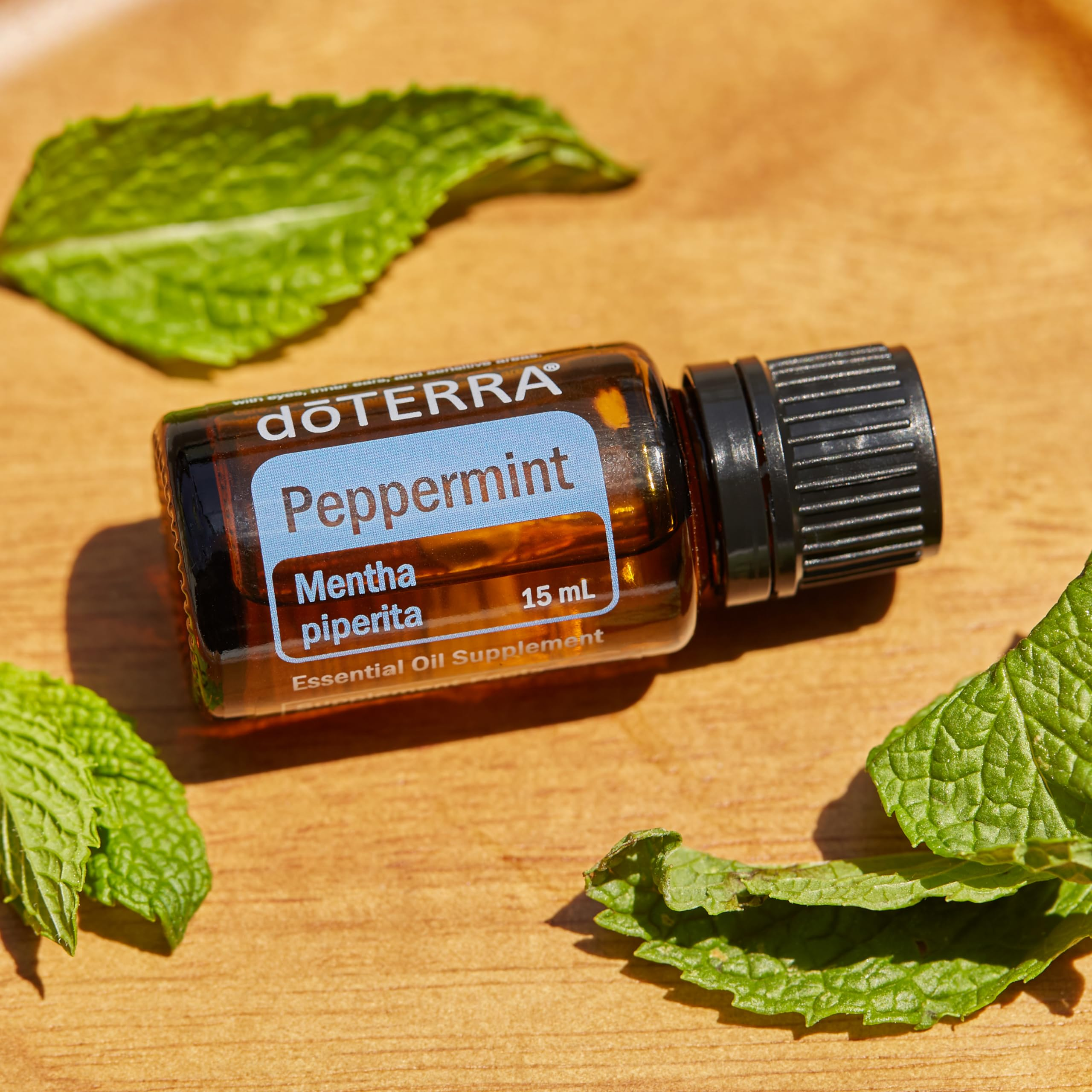


As I wake each morning, the familiar stiffness and discomfort in my joints greet me—a constant reminder of the rheumatoid arthritis I face daily. In my quest for relief, I ventured beyond the conventional treatments and discovered the ancient wisdom of frankincense essential oil for arthritis. The pungent and earthy aroma of doTERRA essential oils, particularly frankincense, became a significant cornerstone of my comfort routine. Struggling with the piercing pain, I often found myself wondering, “Does frankincense help with arthritis pain?” My intrigue evolved into a journey that led me to incorporate frankincense oil for joint pain into my daily regimen.
Each day, as I delicately massage the diluted frankincense essential oil for arthritis across my worn knees, I embrace the warmth and potential relief that this time-tested resin might hold. The notion that can frankincense help arthritis symptoms is not just a matter of faith in natural remedies; it’s a question addressed with cautious optimism by many others who, like me, seek harmony in managing their pain.
Key Takeaways
- Frankincense essential oil is historically used for its anti-inflammatory and analgesic properties in arthritis pain management.
- doTERRA essential oils, among other brands, offer high-quality frankincense oil that may prove beneficial for joint pain relief.
- Current research on frankincense oil suggests potential benefits in reducing arthritis symptoms, though human studies are limited.
- It’s important to ensure frankincense oil is safely diluted with a carrier oil before topical application to avoid skin irritation.
- Consulting healthcare professionals before using frankincense oil can provide necessary guidance and ensure safety.
- While not regulated by the FDA for purity or quality, frankincense essential oil continues to be explored as a complementary treatment for arthritis pain.
An Introduction to Frankincense and Arthritis Pain
Familiar to many of us for its history and prominence in traditional medicine, frankincense, or olibanum, arises from the prized resin of the Boswellia tree. In my own quest to discover natural remedies for ailments, I’ve encountered countless frankincense oil for arthritis reviews that highlight its potential to ease discomfort and reduce inflammation associated with arthritis pain, especially in the knees. Indeed, for those wondering “is frankincense oil good for knee pain?” the anecdotal evidence makes a compelling case.
The chief components rendering frankincense as a choice for natural therapy are its active compounds, like terpenes and boswellic acid. These compounds position frankincense as a formidable natural anti-inflammatory agent. Although still in the preliminary phase, scientific studies into frankincense and knee pain are starting to illuminate its benefits for those battling with osteoarthritis and rheumatoid arthritis.
For instance, a growing number of my own acquaintances in Singapore have shared their personal experiences with how to use frankincense for arthritis pain. They describe how incorporating a regimented daily dose of Boswellia extract into their wellness routines has afforded them much-needed relief from joint pain and stiffness—proof, albeit experiential, that we’re perhaps on the brink of a broader acceptance of frankincense’s benefits. I’ve been particularly inspired by how seamlessly they have woven these holistic practices into their lives with dignity, courage, and an enduring hope for improved well-being.
| Component | Potential Benefit | Relation to Arthritis |
|---|---|---|
| Boswellic Acid | Reduces inflammation | May decrease joint swelling and pain |
| Terpenes | Antiseptic properties | Supports overall joint health |
| Frankincense Resin | Natural anti-inflammatory | Promotes reduced arthritis symptoms |
Yet, despite these glimmers of hope, it’s my responsibility to approach the use of frankincense with discernment. As a proponent of due diligence, I always remind my readers that, while traditional and emerging research begin to align, suggesting the efficacy of frankincense in symptom reduction, many health benefits are unproven, and in-depth research is warranted. Nonetheless, the anecdotal evidence remains both encouraging and inspirational, leading to a deeper investigation of this ancient remedy.
For those on a similar journey, seeking natural paths for managing their arthritis, exploring options like high-quality, therapeutic-grade essential oils may open new doors. With mindfulness as our guide, we continue to glean insights from the traditional use of frankincense, poised for the moment scientific research catches up to what many have claimed for generations—the power of natural substances to heal and harmonize.
Understanding Arthritis and Essential Oils
In my pursuit of wellness, I’ve found that essential oils, particularly frankincense oil, provide a natural avenue for managing knee pain associated with arthritis. Having explored various options, I understand why frankincense for arthritis knees is praised for its remarkable anti-inflammatory properties. Frankincense oil contains boswellic acids, which are thought to hinder inflammation-causing leukotrienes, making it a sought-after choice for those wondering how to use frankincense oil for knee pain effectively.
While definitive, large-scale clinical trials are pending approval, my personal experience aligns with early research that suggests positive outcomes. Seeking out the variety which frankincense is best for inflammation, I’ve come across numerous reports that back the efficacy of high-quality sources such as doTERRA essential oils. Nevertheless, I always consult healthcare professionals before incorporating essential oils like frankincense into my routine, especially when pondering, is frankincense oil good for arthritis?
To those new to this form of alternative therapy, understanding frankincense oil knee pain relief mechanisms is essential. The holistic approach it offers acts as a complement, not a replacement, to traditional treatments. My regimen involves a careful blend of the oil with a carrier substance, applied with gentle massage to the affected areas, providing not just physical but also psychological solace.
If you seek to enrich your arthritis management practices, embarking on a journey with essential oils could be the key. Discovering the right kind of frankincense and learning to use it appropriately can make a significant difference in quality of life. Visit my trusted essential oils source where I find the purest frankincense for my needs, and learn more about how to harness the power of essential oils for your well-being.
How to Use Frankincense for Arthritis Pain
As someone living with arthritic pain, I’ve explored various avenues of relief. My exploration led me to discover the potential of frankincense essential oil for knee pain. It’s a journey of understanding and carefully respecting both tradition and science as I consider does frankincense help with arthritis pain?
When I first considered using frankincense for arthritic pain, I knew that proper application was key. I’ll share how I learned to safely engage with this ancient remedy and the methods that offer me a source of comfort.
Topical Application and Dilution Techniques
Ensuring the safe application of frankincense essential oil starts with dilution. It’s a simple process, but essential for avoiding skin irritation. I use a carrier oil such as coconut oil, mixing just a few drops of frankincense essential oil with an ounce of the carrier oil. This blend can then be gently massaged onto the affected areas, aiming to ease discomfort and diminish inflammation. Always do a patch test first to make sure your skin reacts well.
Aromatherapeutic Approaches to Pain Relief
The aromatic allure of frankincense also provides a therapeutic essence. As the fragrance fills the air through a diffuser, the vapors seem to carry away some of the discomfort. Mindfully integrating this aroma into my space creates a healing ambiance that transcends the mere scent itself.
For those of us in Singapore in search of natural wellness, the range of doTERRA essential oils offers a spectrum of possibilities, including the esteemed frankincense, known for its soothing properties for arthritic pain.
While I can speak to my personal experiences, it’s crucial to consult with a healthcare provider before introducing any new element into your wellness routine. But I find reassurance in joining hands with tradition, using nature’s gifts on my journey toward soothing my arthritic pain.
The Research Behind Frankincense Oil for Joint Pain
As a curious explorer of natural remedies, I’ve been particularly intrigued by the humble yet potent frankincense oil for arthritis. The journey through the available research has been both enlightening and inspiring, revealing a path that gleams with potential, albeit one not fully mapped out. It’s clear that while frankincense oil for arthritis is an area of study still in its early days, what exists has laid a foundation for hopeful consideration.
Animal studies, for instance, paint a picture of frankincense as a kind of natural warrior against the inflammatory battalions contributing to arthritis discomfort. Findings suggest that this ancient oil can indeed help to inhibit the inflammatory substances that wreak havoc in the joints. These studies beckon with the question: can frankincense help arthritis in humans as effectively as it seems to in animals? While I remain optimistic, my trust reverberates with the need for more comprehensive human trials to corroborate these early insights.
For those of us seeking answers to does frankincense help with arthritis, the mosaic of research is an invitation to observe cautiously, yet with a hope that’s informed by the wisdom of the ages and encouraged by early scientific findings. Should you be interested in learning more about the integration of frankincense oil into your wellness routine, a treasure trove of information awaits your discovery at the esteemed doTERRA. Here, the promise of frankincense oil is not just a whisper of the past but a conversation with the future, as we await the outcomes of rigorous research that will ideally shed bright light on this aromatic enigma.