

.jpg)
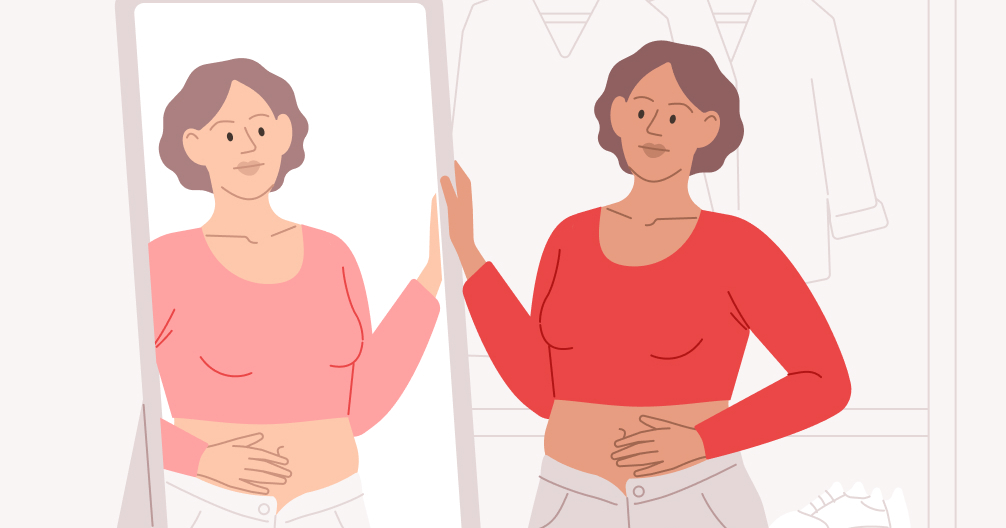
Experiencing bloating during ovulation and wondering why?
This article explores the causes and management of ovulation bloating.
From understanding what ovulation is to recognizing the signs and symptoms, we delve into how bloating can be a common occurrence during this time.
Learn how to differentiate between ovulation bloating and premenstrual bloating, and discover self-care practices, dietary adjustments, and supplement suggestions to help manage bloating effectively.
Don’t miss out on valuable information and tips to alleviate discomfort during ovulation.
If you’re looking for natural remedies, consider trying doTERRA essential oils for digestive support.
To learn more about how essential oils can help with bloating, visit NaturalHealingSG.com/doterra.
Key Takeaways:
- Ovulation can cause bloating as a symptom due to hormonal changes and fluid retention.
- Self-care practices, dietary adjustments, and stress management can help alleviate bloating during ovulation.
- Doterra essential oils can also be used to relieve bloating and promote digestive health. Check out NaturalHealingSG.com/doterra for more information and to purchase.
Ovulation Bloating: Understanding the Causes and Management
Understanding ovulation bloating involves exploring the various causes and effective management strategies for this common symptom experienced by many women during their menstrual cycle.
Ovulation bloating can be triggered by hormonal fluctuations, particularly the surge in estrogen levels that occurs during this phase of the menstrual cycle. Estrogen can lead to water retention, causing the abdomen to feel bloated and swollen.
Managing stress levels plays a crucial role in reducing bloating during ovulation, as stress can exacerbate digestive issues. Digestive enzymes can also aid in the breakdown of food, reducing the likelihood of bloating. Ensuring adequate intake of magnesium and potassium is essential, as these minerals help regulate fluid balance in the body, thereby minimizing bloating episodes.”
Key Takeaways
Key takeaways from understanding ovulation bloating involve insights into how hormonal fluctuations impact the digestive tract throughout the menstrual cycle, particularly affecting estrogen and progesterone levels, leading to a bloated feeling.
Estrogen plays a crucial role in regulating fluid balance in the body, affecting bloating levels. During the follicular phase, when estrogen levels rise, it can lead to water retention, contributing to bloating. On the other hand, progesterone, which increases in the luteal phase, can slow down digestion, leading to constipation and further bloating. This cyclical pattern can explain why many individuals experience abdominal discomfort and bloating at different points in their menstrual cycle.
What is Ovulation?
Ovulation is a crucial phase in the menstrual cycle where the ovaries release an egg due to the surge of luteinizing hormone, marking the peak fertility window for conception.
During ovulation, the matured egg is released from a follicle in one of the ovaries and moves into the fallopian tube, where it awaits fertilization by sperm. This process typically occurs around the midpoint of the menstrual cycle, usually between days 11 and 21 in a 28-day cycle. The release of this egg is essential for reproduction, as it is the key element necessary for fertilization to take place. The sudden increase in luteinizing hormone levels triggers the rupture of the follicle, facilitating the release of the egg.
Signs of Ovulation
Signs of ovulation include changes in cervical mucus consistency, a rise in basal body temperature, and increased fertility, signaling the optimal time for conception.
During ovulation, the cervical mucus becomes thinner, clearer, and more slippery, resembling the texture of raw egg whites. This change is a crucial indicator of fertility as it allows sperm to easily travel through the cervix to fertilize the egg. Tracking basal body temperature, which increases slightly (0.5 to 1 degree F) after ovulation, helps pinpoint the most fertile window. By charting these changes daily, individuals can predict ovulation and plan intercourse accordingly for optimal chances of conception.
Bloating as a Symptom
Bloating is a common symptom experienced during ovulation, characterized by abdominal pressure and digestive symptoms that can vary in intensity and duration.
During this phase, the body undergoes hormonal changes that can lead to fluid retention, gas accumulation, and bowel movement irregularities, contributing to the feeling of bloating.
Abdominal bloating may be accompanied by sensations of fullness, cramping, or even mild pain in the lower abdomen. Some individuals also report a visible increase in abdominal size or tightness in their clothes due to bloating.
Factors such as diet, stress levels, and overall health can influence how pronounced bloating is during ovulation, making it important to pay attention to these triggers and make lifestyle adjustments if needed.
Understanding Ovulation Bloating
Understanding ovulation bloating involves exploring the underlying causes related to digestive enzymes, gut health, and the potential benefits of electrolyte powder in managing bloating episodes.
During ovulation, hormonal fluctuations can disrupt the digestive system’s balance, leading to bloating. Digestive enzymes play a crucial role in breaking down complex foods, and any insufficiency can contribute to bloating. Improving gut health through a balanced diet rich in fiber and probiotics can aid in reducing bloating during ovulation. Introducing electrolyte powder into your daily routine can help replenish essential minerals lost due to bloating, hence alleviating discomfort and promoting overall well-being.
Causes of Ovulation Bloating
Ovulation bloating can be attributed to fluctuating hormone levels, sensitivity to high FODMAP foods, and digestive disturbances that affect the body’s natural processes during this phase.
During ovulation, a surge in estrogen can lead to water retention, contributing to the feeling of bloating. The rise in progesterone levels can slow down digestion, causing food to stay longer in the intestines and potentially ferment, especially if consuming high-FODMAP foods. These fermentable carbohydrates can be challenging for some individuals to digest, resulting in gas production and bloating. Digestive disturbances like irritable bowel syndrome can further exacerbate these symptoms, making bloating more pronounced during ovulation.
Duration and Normalcy
The duration and normalcy of ovulation bloating can vary among individuals, with factors like abdominal size, pain intensity, and the use of natural diuretics influencing the overall experience.
Typically, ovulation bloating lasts for a few days, coinciding with the release of the egg from the ovary. During this time, individuals may notice their abdominal area feeling distended and uncomfortable. Some may experience mild discomfort, while others might find it more pronounced, possibly affecting daily activities. It’s essential to listen to your body and address any concerning signs that go beyond the usual bloating.
Incorporating natural diuretics such as cucumbers, watermelon, and ginger can help reduce bloating by promoting urination and reducing fluid retention in the body.
Comparison: Ovulation Bloating vs. Premenstrual Bloating
A comparison between ovulation bloating and premenstrual bloating reveals distinct differences in symptom onset, intensity, and associated manifestations like mood swings and abdominal bloating.
During ovulation, bloating typically occurs around the midpoint of the menstrual cycle, coinciding with the release of the egg from the ovary. This type of bloating is often milder and less pronounced than the bloating experienced during premenstrual syndrome (PMS).
In contrast, premenstrual bloating tends to manifest closer to the end of the cycle, accompanied by more severe abdominal discomfort and noticeable fluctuations in mood. These mood-related symptoms are often linked to hormonal changes that occur in the days leading up to menstruation.
Managing Bloating During Ovulation
Effective management of bloating during ovulation involves implementing self-care practices, making dietary adjustments, considering magnesium supplementation, practicing stress management techniques, and engaging in regular exercise.
Self-care practices are crucial in managing bloating during ovulation. Ensure you stay hydrated and get enough rest. Try gentle exercises like yoga to relieve bloating discomfort. Dietary adjustments play a significant role. Increase fiber intake through fruits, vegetables, and whole grains. Be mindful of foods that may trigger bloating.
Consider adding magnesium to your supplement regimen after consulting with your healthcare provider. Magnesium can help alleviate bloating symptoms. Stress management techniques like meditation and deep breathing exercises are valuable in reducing bloating. Incorporate relaxation practices into your daily routine.
Regular physical activity is essential for reducing bloating. Aim for at least 30 minutes of moderate exercise most days of the week. Exercise can improve digestion and reduce bloating. Combine these strategies to effectively manage bloating during ovulation.
Self-Care Practices
Self-care practices during ovulation can include incorporating probiotics into your diet and using peppermint oil for soothing gastrointestinal discomfort to alleviate bloating symptoms.
Regarding managing bloating during ovulation, it is crucial to pay attention to your gut health. Including probiotics in your daily routine can help maintain a healthy balance of good bacteria in your digestive system, reducing bloating and promoting overall well-being. Additionally, peppermint oil has been known for its calming effects on the stomach and intestines, which can provide relief from digestive distress that often accompanies bloating.
By focusing on self-care practices that prioritize gut health and natural remedies like probiotics and peppermint oil, you can take proactive steps to alleviate bloating during ovulation and improve your overall comfort and well-being.
Dietary Adjustments
Making dietary adjustments during ovulation involves avoiding high FODMAP foods that may trigger bloating and incorporating digestive enzymes to support optimal digestion and reduce gastrointestinal discomfort.
High FODMAP foods like onions, garlic, and certain fruits can ferment in the gut, leading to gas production and bloating. By steering clear of these items, the chances of bloating during ovulation can significantly decrease.
Supplementing with digestive enzymes can aid in the breakdown of complex carbohydrates, fats, and proteins, promoting smoother digestion and reducing the likelihood of bloating episodes.
Supplement Suggestions
Supplement suggestions for managing bloating during ovulation include tracking your cycle to identify patterns, considering magnesium supplementation for muscle relaxation, and ensuring adequate potassium intake for fluid balance.
Monitoring your menstrual cycle can help you anticipate when bloating may occur, allowing you to proactively address it. By keeping a track of your cycle, you can better understand your body’s rhythm and predict when bloating might be more pronounced.
Additionally, magnesium is known for its ability to relax muscles, which can ease the discomfort associated with bloating. You may want to consider adding a magnesium supplement to your daily regimen to support muscle relaxation during ovulation.
Furthermore, potassium plays a crucial role in fluid balance, helping to regulate the body’s water levels and potentially reducing bloating. Ensuring you have an adequate intake of potassium-rich foods such as bananas, sweet potatoes, and leafy greens can aid in managing bloating effectively.
Stress Management and Exercise
Effective stress management techniques and regular exercise can positively impact hormone levels, reduce bloating, and promote overall well-being during ovulation.
Managing stress is crucial to hormonal balance, as excess stress can lead to hormone imbalance, causing bloating and other menstrual symptoms. Incorporating activities like yoga, meditation, or deep breathing into your daily routine can help alleviate stress. Engaging in cardiovascular exercises, such as brisk walking, swimming, or cycling, can improve circulation and reduce bloating by aiding digestion. Pairing exercise with a balanced diet rich in fiber and probiotics can further support gut health and ease bloating discomfort.
Seeking Medical Advice
In cases of persistent bloating or unusual symptoms during ovulation, seeking medical advice is advisable to rule out conditions like early pregnancy or underlying medical issues that may require professional evaluation.
Consulting a healthcare provider can help in determining the root cause of bloating, which could stem from various sources such as hormonal changes, gastrointestinal issues, or even ovarian cysts. Professional guidance is essential as it aids in distinguishing between normal ovulation-related discomfort and potential health concerns. By conducting a thorough assessment, the healthcare provider can recommend appropriate diagnostic tests to pinpoint the exact reason for the persistent bloating, ensuring proper management and peace of mind for the individual.
Additional FAQs
Answering additional FAQs on ovulation can help clarify common concerns regarding signs of pregnancy, changes in abdominal size, discharge patterns, and other related queries to provide comprehensive information on this topic.
One common query is how to differentiate ovulation symptoms from signs of pregnancy. Ovulation symptoms like increased cervical mucus and slight lower abdominal cramping are temporary, while pregnancy signs such as missed periods and nausea tend to persist.
Another frequently asked question is about abdominal size variations during ovulation. It’s normal for the abdomen to feel slightly bloated or tender due to hormonal changes. Sudden drastic changes in abdominal size should prompt a visit to a healthcare provider.
Common Concerns During Ovulation
Common concerns during ovulation may include discomfort in the luteal phase, abdominal pain, and a persistent bloated feeling, which can impact daily activities and overall well-being.
For many individuals, ovulation is a pivotal time in the menstrual cycle, signaling the release of an egg from the ovary.
The luteal phase that follows can bring its own set of challenges. Abdominal pain, often described as a cramping sensation, is a common symptom experienced during this time. This discomfort, combined with bloating, can make it difficult to engage in regular tasks and activities.
Signs of Pregnancy vs. Ovulation Bloating
Distinguishing signs of pregnancy from ovulation bloating involves recognizing key differences such as early pregnancy symptoms like abdominal pain and mood swings that differ from the transient bloated feeling experienced during ovulation.
During early pregnancy, hormonal changes can trigger distinctive signs that set it apart from ovulation bloating. While bloating may cause discomfort and a feeling of fullness, pregnancy symptoms are more varied and intense. Abdominal pain in pregnancy is often described as cramping or dull aches that persist. Mood swings, on the other hand, can range from sudden bursts of emotions to feeling overwhelmed without an immediate cause.
Understanding these nuanced symptoms can help individuals in identifying the phase they are experiencing accurately. It is advisable to keep track of changes in the body and consult healthcare providers if there is uncertainty or concern about the symptoms being experienced.
References and Resources
References and resources related to ovulation bloating can offer valuable insights into hormonal changes, stress management techniques, probiotic benefits, and other supportive information to enhance understanding and coping strategies.
Understanding the hormonal fluctuations that occur during ovulation is crucial in comprehending why bloating may be experienced during this phase of the menstrual cycle. A balanced estrogen and progesterone level play significant roles in water retention, leading to bloating. Techniques to manage stress, such as mindfulness, yoga, and deep breathing exercises, can help alleviate bloating symptoms by reducing cortisol levels.
Probiotics have been shown to promote gut health and potentially reduce bloating by improving digestion and balancing the gut microbiome. Incorporating fermented foods like yogurt, kefir, and kimchi into your diet can introduce healthy bacteria beneficial for reducing bloating.
For comprehensive information on ovulation bloating, reputable sources such as the American College of Obstetricians and Gynecologists (ACOG), WebMD, and Mayo Clinic provide detailed insights and guidance on managing bloating during ovulation. Seeking guidance from healthcare providers and specialized websites like Healthline can offer personalized strategies for coping with bloating discomfort during ovulation.”
Related Articles and Stories
Exploring related articles and stories on ovulation, fertility tracking, basal body temperature monitoring, and conditions like endometriosis can broaden understanding and provide valuable insights for individuals navigating reproductive health issues.
Reading about ovulation sheds light on the intricate processes within the female reproductive system, helping one grasp the importance of timing when trying to conceive. Fertility tracking methods delve into the various techniques, such as tracking menstrual cycles, cervical mucus changes, and ovulation predictor kits, offering individuals effective tools in family planning. Understanding the significance of basal body temperature monitoring aids in pinpointing the fertile window, informing decisions around conception or contraception.
Insights into conditions like endometriosis unveil the challenges many face, including infertility risks, pain management, and treatment options, emphasizing the need for comprehensive reproductive health awareness. Articles discussing these topics may give the power to individuals to make informed choices regarding their fertility journey and overall well-being.
Newsletter Signup
Signing up for our newsletter can keep you informed about the latest updates on ovulation tracking, strategies for managing abdominal bloating, insights on conditions like PCOS, and other valuable resources for reproductive health.
Tracking your ovulation cycle is crucial for understanding your fertility window. By regularly monitoring your basal body temperature, cervical mucus, and using ovulation prediction kits, you can enhance your chances of conception.
Abdominal bloating is a common issue many women face during their menstrual cycle. To alleviate discomfort, consider incorporating gentle exercises, such as yoga or walking, and maintaining a balanced diet rich in fiber and hydration.
PCOS is a hormonal disorder that affects many women worldwide. Apart from irregular periods and difficulties conceiving, PCOS can lead to other health complications. Our newsletter provides detailed information on managing PCOS symptoms and seeking appropriate medical assistance.
Subscribe today to receive expert advice, lifestyle tips, and holistic approaches to promote your overall reproductive well-being.
Frequently Asked Questions
Does ovulation cause bloating?
Yes, ovulation can cause bloating in some women. This is due to an increase in estrogen during ovulation, which can lead to water retention and bloating.
How can I relieve bloating caused by ovulation?
Using doterra essential oil can be an effective way to relieve bloating caused by ovulation. It contains natural ingredients that can help improve digestion and reduce bloating.
Can doterra essential oil help with digestion problems during ovulation?
Yes, doterra essential oil is known for its ability to improve digestion and relieve digestive problems. It can be particularly helpful during ovulation when hormone fluctuations can cause digestive issues.
What makes doterra essential oil the best solution for bloating during ovulation?
Doterra essential oil is made with high-quality, natural ingredients that are specifically chosen for their ability to improve digestion and reduce bloating. It is also free from harmful chemicals and additives.
Are there any side effects of using doterra essential oil for bloating during ovulation?
Doterra essential oil is generally safe and does not have any known side effects when used as directed. However, it is always recommended to do a patch test and consult with a healthcare professional before use.
Where can I purchase doterra essential oil for bloating during ovulation?
You can purchase doterra essential oil for bloating during ovulation at NaturalHealingSG.com/doterra. This website offers a variety of doterra essential oil blends and products for digestion and other health concerns.


