
Bloating is a common issue that many women in Singapore face, impacting their daily lives and overall well-being. From diet and food intolerances to hormonal changes and stress, there are various factors that can contribute to bloating.


In this article, we will explore how Doterra Essential Oils can help alleviate bloating, thanks to their anti-inflammatory properties, digestive support, hormonal balance, and stress relief. We will also discuss the best Doterra Essential Oils for bloating and how to use them for effective relief.
What is Bloating?
Bloating is a common condition experienced by many women in Singapore, characterized by a feeling of fullness or tightness in the abdomen.
This discomfort is often accompanied by visible swelling and abdominal distention, making it a physically and emotionally taxing experience for those affected. Symptoms of bloating can range from mild discomfort to severe pain, often leading to decreased appetite and disrupted bowel movements.
The causes of bloating can vary, including gastrointestinal issues such as indigestion, gas, or constipation, as well as dietary factors like consuming high-sodium or processed foods. Hormonal fluctuations and stress levels can also contribute to bloating among women.
Impacting daily life activities, bloating can affect productivity, social interactions, and overall quality of life for women in Singapore. Seeking medical advice, maintaining a balanced diet, staying hydrated, and managing stress levels are crucial steps in managing bloating effectively.
What Causes Bloating?
Bloating in women can be attributed to various factors, including diet, digestive issues, hormonal changes, medications, and stress.
In terms of diet, certain foods like beans, lentils, broccoli, and carbonated drinks can cause excess gas production in the digestive system, leading to bloating. Hormonal fluctuations during menstruation or menopause can also affect water retention and bowel movements, contributing to abdominal discomfort. Some medications, such as antibiotics or pain relievers, may have bloating as a side effect due to their impact on gut bacteria. High levels of stress can trigger digestive issues like irritable bowel syndrome (IBS), which is closely linked to bloating in women.
Diet and Food Intolerances
Diet and food intolerances play a significant role in triggering bloating, with conditions such as FODMAP sensitivity and celiac disease contributing to abdominal discomfort and bloating.
Individuals with a sensitivity to FODMAPs, a group of fermentable carbohydrates, often experience bloating due to poor digestion of these compounds in the gut. On the other hand, individuals with celiac disease may have bloating as a result of consuming gluten-containing foods, triggering an inflammatory response in the intestines.
Other gastrointestinal disorders like irritable bowel syndrome (IBS) can also lead to bloating, as certain foods can exacerbate symptoms in individuals with this condition.
Digestive Issues
Digestive issues such as SIBO, gastroparesis, and helicobacter pylori infections can lead to bloating and abdominal discomfort in women.
Small Intestinal Bacterial Overgrowth (SIBO) occurs when there is an excessive growth of bacteria in the small intestine, leading to gas production and bloating.
Gastroparesis, a condition where the stomach takes longer to empty its contents, can also contribute to bloating and uncomfortable abdominal distension.
Helicobacter pylori is a type of bacteria that can infect the stomach lining, causing inflammation and discomfort, often accompanied by bloating as a symptom.
Addressing these underlying digestive issues is crucial in managing bloating and improving overall digestive health.
Hormonal Changes
Fluctuations in hormones during the menstrual cycle or due to gynecological disorders can lead to bloating and abdominal bloating in women.
Estrogen, progesterone, and other hormones play a crucial role in regulating fluid balance in a woman’s body.
Hormonal imbalances, such as elevated estrogen levels or insufficient progesterone production, can disrupt this delicate equilibrium, leading to water retention and bloating.
Conditions like polycystic ovary syndrome (PCOS) or thyroid disorders can further exacerbate bloating by influencing hormone levels and metabolism.
Medications
Certain medications, such as those causing constipation or affecting pancreatic function, can result in bloating as a side effect in women.
Constipation-inducing medications can slow down bowel movements, leading to a buildup of gas and bloating in the abdominal area.
Drugs that impact pancreatic function might interfere with proper digestion, causing digestive discomfort and bloating.
It is crucial for women to be aware of these medication-related causes of bloating and consult their healthcare provider if experiencing persistent bloating symptoms while on medication.
Stress and Anxiety
Stress and anxiety can have a profound impact on digestive health, potentially leading to bloating and discomfort in women.
Research suggests that when the body is under stress, it triggers the release of hormones like cortisol, which can disrupt the balance of gut bacteria and slow down digestion.
This disruption in gut flora can contribute to bloating, gas, and abdominal discomfort. Increased levels of anxiety can heighten gut sensitivity and lead to more pronounced symptoms of bloating.
Managing stress through techniques such as mindfulness, deep breathing, and regular exercise can help alleviate digestive issues and reduce bloating in women.
How Does Bloating Affect Women in Singapore?
Bloating can significantly impact the daily lives of women in Singapore, affecting their overall well-being and quality of life.
Women residing in Singapore often find themselves struggling to cope with the discomfort and bloating that are a common occurrence. This condition can lead to disruptions in their daily routines, making it challenging for them to focus on work, household chores, or family responsibilities. The emotional toll of bloating cannot be underestimated, as it can cause feelings of frustration and self-consciousness, impacting their confidence and mental health.
Persistent bloating may indicate underlying health issues, prompting women to seek medical advice and intervention to address the root causes.
Impact on Daily Life
The impact of bloating on daily life for women in Singapore can range from discomfort during activities to hindered productivity and social interactions.
Experiencing bloating can lead to physical discomfort which may make it challenging to engage fully in daily activities, whether it’s running errands, attending meetings, or simply enjoying time with loved ones. The feeling of bloating can not only cause distractions but also affect productivity levels, making it difficult to focus on work tasks or personal projects.
Bloating can also impact social engagements, as women may feel self-conscious about their appearance or discomfort, leading to avoidance of social events or feeling less confident in social interactions.
Prevalence of Bloating in Singapore
Bloating is a prevalent issue among women in Singapore, with many experiencing occasional or chronic episodes of abdominal discomfort.
Studies have shown that a significant percentage of women in Singapore report bloating as a common symptom, often linked to factors such as diet, stress, and hormonal fluctuations.
The frequency of bloating occurrences varies from occasional mild discomfort to more severe and persistent cases, impacting day-to-day activities and quality of life. It is important for individuals experiencing frequent bloating to seek medical advice to rule out any underlying health conditions and explore potential dietary or lifestyle modifications.
How Can Doterra Essential Oils Help with Bloating?
Doterra essential oils offer potential relief for bloating through their anti-inflammatory, digestive support, hormonal balancing, and stress-relieving properties.
Many individuals struggling with bloating have found that incorporating Doterra essential oils into their wellness routine can help address symptoms such as abdominal discomfort and gas.
Essential oils like peppermint and ginger can aid digestion by promoting the release of digestive enzymes and reducing bloating-causing inflammation in the gut.
Oils like fennel and lemon may assist in hormone regulation, potentially balancing estrogen levels in the body and reducing bloating associated with hormonal fluctuations.
In times of stress, oils such as lavender and chamomile can provide a calming effect, helping to relax the body and alleviate the digestive issues often exacerbated by tension.
Anti-inflammatory Properties
Doterra essential oils with anti-inflammatory properties can help reduce gut inflammation and alleviate bloating discomfort in women.
These essential oils work by targeting inflammation in the digestive system, which often contributes to bloating. By calming the body’s inflammatory response, they promote better gut health and aid in easing digestive issues.
Incorporating anti-inflammatory essential oils into your daily routine can provide relief from abdominal distension and discomfort, making it a natural solution for those seeking digestive wellness. The soothing properties of these oils not only address the symptoms of bloating but also support overall digestive function, leading to a more comfortable and balanced digestive system.
Digestive Support
Doterra essential oils provide digestive support by aiding in proper digestion and optimizing gastrointestinal health, potentially reducing bloating symptoms in women.
These natural oils are known for their ability to soothe the digestive system, allowing for smoother and more efficient processing of food. This can lead to a reduction in discomfort and bloating, providing a welcomed relief for those struggling with digestive issues.
Through their unique blends of herbs and extracts, Doterra essential oils target specific digestive concerns, such as indigestion and gas. By incorporating these oils into your daily routine, you can experience improved gastrointestinal wellness and a happier, healthier gut.
Hormonal Balance
Doterra essential oils can contribute to hormonal balance, potentially easing bloating associated with hormonal fluctuations during the menstrual cycle.
The use of essential oils such as lavender and clary sage may help regulate hormonal levels by interacting with the endocrine system, which plays a crucial role in managing the body’s hormones.
These oils possess phytoestrogens that can mimic the effect of estrogen in the body, aiding in balancing hormonal production and reducing symptoms like bloating.
Incorporating essential oils into a wellness routine can provide a natural approach to managing hormonal imbalances and alleviating discomfort during the menstrual cycle.
Stress Relief
Doterra essential oils offer stress-relieving properties that can help women manage anxiety, promote relaxation, and potentially reduce bloating triggered by stress.
These essential oils are revered for their ability to soothe the mind and body, creating a tranquil atmosphere that can alleviate feelings of tension and unease. By incorporating aromatic essences such as lavender, chamomile, or peppermint into a daily routine, individuals can experience a gentle yet powerful shift towards a calmer state.
- The act of inhaling these fragrances can stimulate the limbic system, a brain region associated with emotions and memories, triggering a positive response that reduces cortisol levels and promotes a sense of well-being.
- Many practitioners of aromatherapy believe that the therapeutic properties of these oils can not only provide immediate relief from stress-induced discomfort but also foster a long-term sense of balance and harmony within the body.
What Are the Best Doterra Essential Oils for Bloating?
Some of the best Doterra essential oils for bloating relief include Peppermint Oil, Ginger Oil, Fennel Oil, and the DigestZen Blend, known for their digestive and soothing properties.
Peppermint oil is renowned for its ability to support healthy digestion and alleviate discomfort associated with bloating. Its cooling sensation can help calm the digestive tract and reduce gas.
Ginger oil, on the other hand, aids in digestion by stimulating the production of digestive enzymes. It also has anti-inflammatory properties that can ease bloating and indigestion.
Fennel oil is commonly used to relieve digestive issues like bloating and constipation. Its carminative properties help relax the stomach muscles and reduce gas buildup.
DigestZen blend, a powerful combination of essential oils, including Peppermint, Ginger, and Fennel, works synergistically to promote digestive health and comfort.
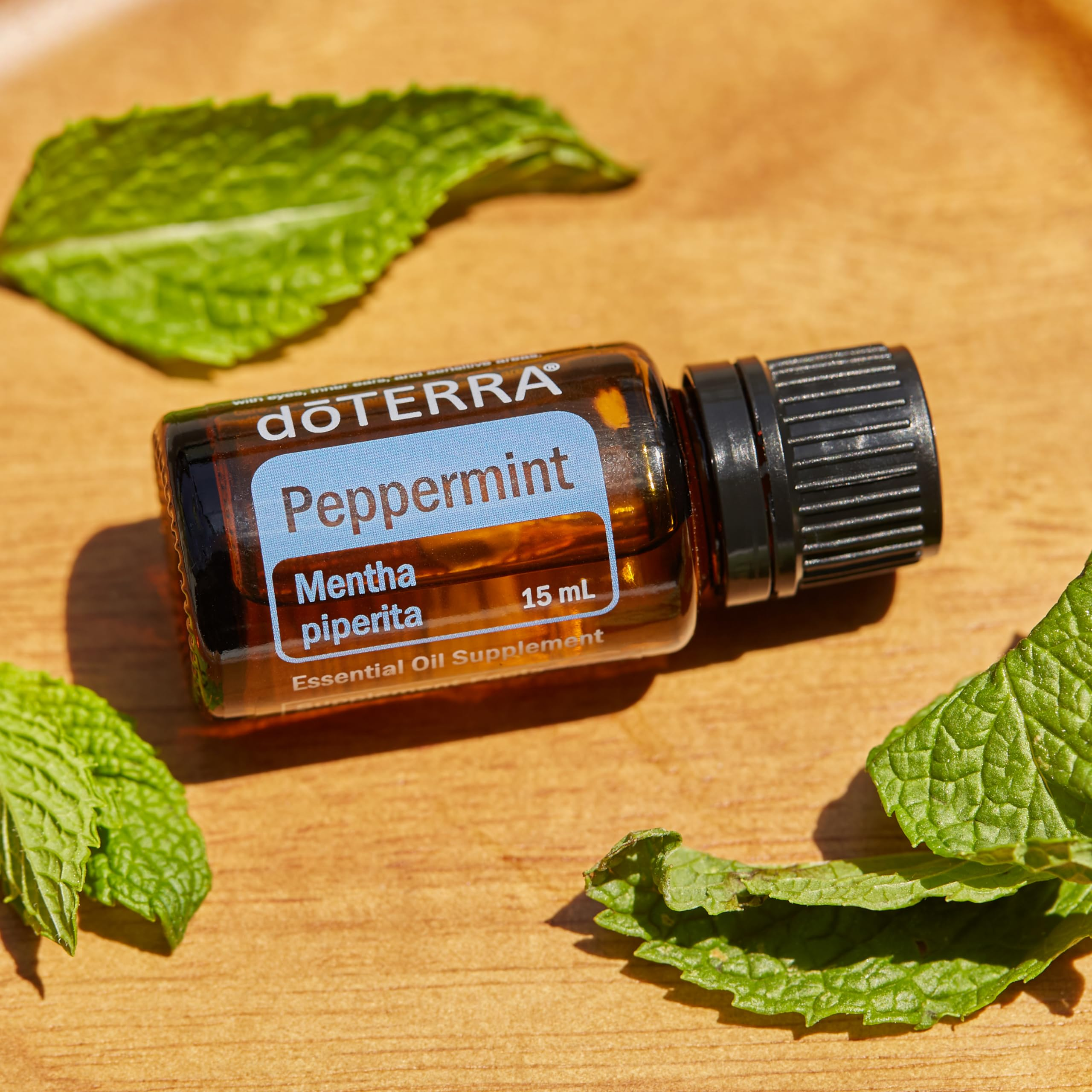
Peppermint Oil
Peppermint Oil, a popular choice among Doterra essential oils, is valued for its digestive aid properties and anti-spasmodic effects that can alleviate bloating discomfort.
One of the key benefits of Peppermint Oil is its ability to soothe the digestive system, which can help reduce bloating and gas. The menthol component in Peppermint Oil is known for its calming effect on the muscles of the stomach and intestines, aiding in the digestion process.
The anti-inflammatory properties of Peppermint Oil can also contribute to relieving bloating by reducing inflammation in the gastrointestinal tract. This can further assist in easing discomfort and promoting overall digestive wellness.
Ginger Oil
Ginger Oil, known for its anti-inflammatory properties and ability to combat nausea, can be effective in reducing bloating and enhancing digestive comfort.
One of the key advantages of using Ginger Oil for bloating relief is its potent anti-inflammatory attributes. By helping to reduce inflammation in the digestive tract, it can alleviate discomfort and bloating. The anti-nausea effects of Ginger Oil can also contribute to improving overall digestive health and reducing the sensation of bloating. This natural remedy is a popular choice for those seeking a gentle and holistic approach to managing digestive issues.
Fennel Oil
Fennel Oil, renowned for its gas-relieving properties and digestive support, can aid in reducing bloating and promoting healthy digestion in women.
When used topically, fennel oil can help relax abdominal muscles, aiding in the expulsion of gas and relieving uncomfortable bloating. Its carminative properties can help prevent the formation of gas in the gastrointestinal tract, reducing the likelihood of bloating episodes. Incorporating fennel oil into a massage oil blend or adding a few drops to a warm bath can provide soothing relief. The gentle aroma of fennel oil also has a calming effect on the mind, which can further alleviate stress-related digestive issues that contribute to bloating.
DigestZen Blend
The DigestZen Blend, a unique combination of essential oils, is designed to ease stomach discomfort, reduce bloating, and enhance digestive wellness.
With its carefully curated mix of oils such as Peppermint, Ginger, and Fennel, the DigestZen Blend works synergistically to support digestive health by aiding in proper digestion and soothing discomfort. Peppermint oil, known for its cooling properties, can help alleviate gas and bloating, while Ginger oil is recognized for its ability to calm the digestive system. The addition of Fennel oil further promotes healthy digestion and supports overall gastrointestinal function.
By incorporating the DigestZen Blend into your wellness routine, you can experience relief from digestive issues and bloating, allowing you to enjoy improved comfort and well-being. Its natural properties make it a go-to option for individuals seeking a gentle yet effective solution for maintaining optimal digestive function.
How to Use Doterra Essential Oils for Bloating Relief?
Doterra essential oils can be applied for bloating relief through various methods such as topical application, aromatic use, and internal consumption, each offering unique benefits.
In terms of topical application, it is recommended to dilute the essential oil with a carrier oil like coconut or almond oil before applying directly to the abdomen area for soothing relief.
For aromatic use, diffusing Doterra oils such as peppermint, ginger, or fennel can help alleviate bloating and promote digestive health by inhaling the fragrant molecules.
Internal consumption involves using Doterra oils in a safe manner, like adding a drop of digestive blend to a glass of water or mixing with food to aid digestion.
Topical Application
Topical application of Doterra essential oils for bloating relief involves applying the oils directly to the skin for absorption and massage benefits, aiding in alleviating discomfort.
When applying essential oils topically for bloating relief, it is important to choose the right carrier oil to dilute the potent essential oils, ensuring safe and effective use.
Massaging the diluted blend onto the abdomen in gentle circular motions can help promote better absorption and maximize the oils’ therapeutic effects.
The advantage of this application method is that the oils can quickly penetrate the skin and enter the bloodstream, offering targeted relief to the affected area.
Topical application allows for convenient and direct relief without the need for ingestion.
Aromatic Use
Aromatic use of Doterra essential oils for bloating relief involves diffusing the oils through a diffuser or inhalation, harnessing their properties for digestive comfort.
Diffusion is a popular method where the essential oils are dispersed into the air, creating a calming atmosphere that can help alleviate bloating discomfort.
Through inhalation, the aromatic molecules from the oils travel to the olfactory system, signaling the brain to support healthy digestion. These oils, like peppermint and ginger, have been known for centuries for their soothing effects on the digestive system.
Utilizing essential oils in this way offers a natural and holistic approach to managing bloating, promoting overall wellness.
Internal Consumption
Internal consumption of Doterra essential oils for bloating relief involves ingesting the oils in a safe and controlled manner to address digestive discomfort and promote wellness.
When using essential oils internally, it is crucial to dilute them properly in a carrier oil or beverage to prevent irritation to the sensitive digestive system. The recommended dilution ratio is usually 1-2 drops of essential oil per tablespoon of carrier oil or water. This ensures that the oils are gentler on the stomach and easier for the body to absorb.
Some benefits of internally consuming Doterra essential oils include quicker absorption into the bloodstream, which can lead to faster relief from bloating and other digestive issues. Internal use can support overall digestive health and boost the immune system, providing a holistic approach to wellness.
Frequently Asked Questions
What causes bloating?
Bloating can be caused by a variety of factors, such as gas buildup, constipation, overeating, or food intolerances. It can also be a symptom of underlying health conditions, like Irritable Bowel Syndrome (IBS) or Celiac Disease.
Is bloating a common issue among females in Singapore?
Yes, bloating is a common problem among females in Singapore due to the fast-paced lifestyle and high stress levels. It can also be exacerbated by a lack of physical activity and unhealthy eating habits.
Can doterra essential oils help with bloating?
Yes, doterra essential oils are known for their natural and holistic approach to health and wellness. Many of their oils have anti-inflammatory and digestive properties that can help reduce bloating and discomfort.
Which doterra essential oils are best for reducing bloating?
Some of the best doterra essential oils for reducing bloating include peppermint, ginger, fennel, and lemon. These oils can be used topically or ingested, but it is important to dilute them properly and follow safety precautions.
Are there any other natural remedies for bloating besides doterra essential oils?
Yes, there are other natural remedies for bloating, such as herbal teas, probiotics, and low FODMAP diet. It is important to consult with a healthcare professional before trying any new remedies, especially if you have underlying health conditions.
Can bloating be a sign of a more serious health condition?
In some cases, bloating can be a symptom of a more serious health condition, such as ovarian cancer or Crohn’s disease. If bloating is persistent and accompanied by other symptoms, it is important to seek medical advice for proper diagnosis and treatment.