

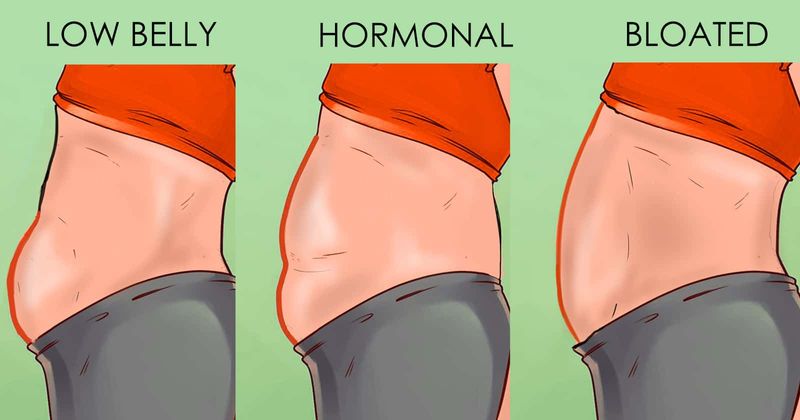
.jpg)
Have you ever experienced that uncomfortable feeling of bloating after a meal? Or maybe you’ve noticed some unexplained weight gain that has you feeling frustrated.
In this article, we will dive into the definitions of bloating and weight gain, uncover the causes behind these issues, and explore the key differences between the two.
Whether you’re looking to manage bloating or tackle weight gain, we’ll also provide tips on how to relieve symptoms and achieve a healthier balance.
If you’re ready to take control of your digestive health, keep reading to learn more. And don’t forget to check out doTERRA essential oils as a natural solution for digestion problems. Click here to find out more: doTERRA Essential Oils.
Key Takeaways:
- Bloating and weight gain are two separate issues with different causes and symptoms.
- Bloating can be managed through simple methods like reducing salt intake and avoiding trigger foods, while weight gain may require more strategic approaches such as exercise and healthy eating habits.
- Doterra essential oils can be used as a natural and effective solution for managing both bloating and weight gain. Visit NaturalHealingSG.com/doterra for more information and to purchase.
Understanding Bloating and Weight Gain
Understanding Bloating and Weight Gain is crucial for maintaining overall health and well-being. These physical symptoms can be indicative of underlying digestive issues and hormonal imbalances.
Experiencing persistent bloating often goes hand in hand with various uncomfortable sensations such as abdominal pain, cramping, and gas.
The extra weight gained due to bloating can impact one’s self-esteem and quality of life.
When focusing on digestive health, keeping track of food sensitivities and incorporating fiber-rich foods in the diet can help alleviate bloating.
Hormonal imbalances, particularly in women, may also contribute to fluctuations in weight and bloating.
Definitions of Bloating and Weight Gain
Bloating refers to the feeling of fullness and tightness in the abdomen, often accompanied by gas and discomfort. Weight gain involves an increase in body mass, influenced by factors such as diet, exercise, and hormonal balance.
Regarding digestive health, bloating is typically caused by excess gas production or disturbances in the movement of the digestive system. This can lead to the abdomen feeling distended and uncomfortable.
On the other hand, weight gain can be a result of hormonal fluctuations, such as imbalances in insulin, cortisol, or thyroid hormones. These hormonal changes can impact metabolism and fat storage, contributing to shifts in body weight.
Causes of Bloating
Understanding the Causes of Bloating is essential for addressing gastrointestinal discomfort and promoting digestive wellness. Factors such as gas buildup, abdominal distention, and water retention contribute to bloating.
Gas buildup in the digestive tract is a common cause of bloating, often resulting from the fermentation of undigested food. Abdominal distention, which occurs when the stomach expands beyond its usual size, can also lead to feelings of fullness and discomfort. Another significant factor is water retention, where excess fluid accumulates in the tissues, causing swelling and bloating. These processes can be influenced by various gastrointestinal issues, such as irritable bowel syndrome, lactose intolerance, or constipation. Monitoring your diet and seeking medical advice can help manage bloating effectively and improve overall stomach health.
Factors Leading to Bloating
Several Factors can Lead to Bloating, ranging from dietary choices and fiber intake to lifestyle habits and underlying health conditions. Identifying these factors is crucial for managing and reducing bloating symptoms.
Regarding dietary choices, consuming excessive gas-producing foods like beans, broccoli, and carbonated beverages can contribute to bloating. Additionally, high-fat foods can slow digestion, leading to a feeling of fullness and discomfort. Incorporating fiber-rich foods into your diet is beneficial, but sudden increases in fiber intake can also cause bloating until your body adjusts.
In terms of lifestyle, stress and lack of physical activity can contribute to digestive issues, including bloating. It’s important to stay hydrated and incorporate regular exercise to help regulate digestion. Certain health conditions such as irritable bowel syndrome (IBS) and food intolerances can also manifest as bloating, requiring medical attention for proper diagnosis and management.
Causes of Weight Gain
Understanding the Causes of Weight Gain involves examining the interplay of factors such as diet, exercise, hormonal fluctuations, and genetic predispositions. Weight gain can result from an imbalance in these areas, leading to changes in body composition.
Regarding understanding the dynamics of weight gain, it becomes evident that the accumulation of fat plays a significant role. Excess consumption of calories, particularly from unhealthy sources, can lead to the deposition of adipose tissue in various parts of the body. In addition, hormonal imbalances can disrupt the body’s ability to burn calories efficiently and regulate appetite, contributing to weight gain. Dietary effects also play a crucial role, as consuming high-calorie, nutrient-poor foods can lead to weight gain over time. Moreover, genetic influences can predispose individuals to storing excess fat or having a slower metabolism, making weight management more challenging.”
Common Reasons for Weight Gain
Several Common Reasons contribute to Weight Gain, including poor dietary choices, lack of physical activity, sedentary lifestyles, and overeating. Identifying these reasons is pivotal for effective weight management.
Let’s delve deeper into these factors.
Poor dietary choices play a significant role in weight gain as consuming foods high in sugars, fats, and processed ingredients can lead to excess caloric intake. On the other hand, the lack of physical activity hinders the body’s ability to burn calories efficiently, contributing to weight gain over time. Sedentary lifestyles, characterized by prolonged sitting and minimal movement, further exacerbate weight issues. Overeating, often fueled by emotional triggers or habits, disrupts the delicate balance between caloric intake and expenditure, leading to an increase in body fat accumulation.
Differences Between Bloating and Weight Gain
Distinguishing Between Bloating and Weight Gain is essential as they present distinct effects on the body. While bloating involves abdominal discomfort and gas, weight gain pertains to an increase in body mass due to various causes.
While bloating is often associated with temporary discomfort caused by gas accumulation in the digestive system, weight gain results from a surplus of calories consumed compared to those expended by the body. Bloating typically leads to a feeling of fullness and distention in the abdomen, whereas weight gain alters body composition over time, affecting overall health and well-being.
It is vital to understand the underlying causes that differentiate these conditions. Bloating can be triggered by factors such as overeating, consuming gas-producing foods, or swallowing air excessively. On the other hand, weight gain can occur due to a sedentary lifestyle, hormonal imbalances, or medical conditions such as hypothyroidism or insulin resistance.
Key Contrasts
Understanding the Key Contrasts between Bloating and Weight Gain helps in recognizing the distinct symptoms, hormonal implications, and physiological effects associated with each condition.
Bloating, characterized by a feeling of fullness, tightness, and swelling in the abdomen, arises predominantly from issues within the digestive tract such as indigestion, gas, or food intolerances. On the other hand, weight gain, which involves an increase in body mass due to excess fat accumulation, can be influenced by hormonal imbalances like thyroid dysfunction or insulin resistance.
Identifying Bloating vs. Weight Gain
Accurately Identifying Bloating versus Weight Gain requires recognizing specific symptoms, signs, and health markers that differentiate the two conditions. Understanding the underlying hormonal influences is also crucial for proper identification.
Regarding blo ating, individuals may experience a sensation of fullness or tightness in the abdomen, often accompanied by gas and irregular bowel movements. On the other hand, weig ht gain is characterized by a measurable increase in body mass due to factors like excess calorie intake or lack of physical activity.
Health indicators such as body mass index (BMI) and waist circumference can provide valuable insights into whether the issue stems from bloating or weight gain. Hormonal imbalances, such as fluctuations in estrogen or insulin levels, can also exacerbate bloating and influence weight gain.
Symptoms and Signs
Recognizing the Symptoms and Signs of Bloating and Weight Gain is fundamental for early detection and treatment. These physical symptoms often manifest as indicators of underlying hormonal imbalances and metabolic changes.
Common symptoms of bloating and weight gain include persistent abdominal distention, feeling full quickly, and unexplained fluctuations in body weight.
Individuals may experience swollen limbs, increased thirst, and changes in the texture of their skin. Learn more about the relationship between bloating and weight gain.
Recognizing these signs is crucial as they can signify disruptions in hormone regulation and metabolism, such as fluctuations in insulin levels or thyroid function.
Managing Bloating
Effectively Managing Bloating involves implementing strategies to alleviate gastrointestinal discomfort, address dietary causes, and regulate fiber intake. Treating the underlying gastrointestinal issues is imperative for long-term bloating relief.
When addressing bloating, one key aspect to consider is the treatment options available. This may include over-the-counter medications to relieve gas and bloating symptoms. Dietary adjustments play a crucial role in managing bloating.
Fiber intake regulation is essential, as increasing or decreasing fiber intake can impact gastrointestinal health. Individuals experiencing bloating may benefit from keeping a food diary to identify trigger foods that contribute to bloating episodes. Understanding the connection between diet and gastrointestinal discomfort is pivotal in finding sustainable relief from bloating.
Methods to Reduce Bloating
Several Methods are available to Reduce Bloating, including lifestyle changes, dietary modifications, and adequate fluid intake. These strategies can help alleviate discomfort and promote digestive wellness.
One important aspect of reducing bloating is making adjustments to your daily routine. This may include incorporating regular exercise, as physical activity can stimulate the digestive system and decrease bloating. Emphasizing a balanced diet rich in fiber and probiotics can contribute to better gut health and reduce bloating episodes. It is also essential to stay adequately hydrated throughout the day, as dehydration can exacerbate bloating. By prioritizing these lifestyle changes and dietary practices, individuals can effectively manage bloating and enhance their overall well-being.
Managing Weight Gain
Managing Weight Gain requires the implementation of strategies that target fat loss, promote overall health, and address hormonal imbalances. These approaches aim to achieve a healthy body composition and sustainable weight management.
One crucial strategy in managing weight gain is to focus on reducing body fat through a balanced diet and regular physical activity. Incorporating nutrient-dense foods rich in vitamins, minerals, and fiber while limiting processed and high-calorie foods can support this goal. Engaging in strength training exercises along with cardiovascular workouts can help build lean muscle mass and increase metabolism, contributing to fat loss. Maintaining a consistent sleep schedule and managing stress levels are essential for hormonal balance and overall well-being, which are vital components of successful long-term weight management.
Strategies for Weight Management
Effective Strategies for Weight Management encompass a balanced diet, regular exercise regimen, and healthy lifestyle choices. Adopting these strategies can aid in achieving sustainable weight loss and overall well-being.
Regarding diet, focusing on whole foods rich in essential nutrients such as fruits, vegetables, lean proteins, and whole grains is crucial. These foods provide the body with the necessary energy and nutrients while promoting feelings of fullness and satisfaction, making it easier to maintain a caloric deficit. Incorporating a variety of colors and textures ensures a diverse nutrient intake. Similarly, establishing a consistent exercise routine that includes both cardiovascular activities and strength training helps boost metabolism, burn calories, and build muscle mass.
Relieving Bloating Quickly
Relieving Bloating Quickly is essential for immediate gastrointestinal relief and symptom management. Implementing rapid response techniques can help alleviate discomfort and promote digestive comfort.
One effective method for fast bloating relief is gentle exercise, such as walking or stretching, to stimulate digestion and reduce gas accumulation. Sipping on warm herbal tea like peppermint or ginger can aid in relieving bloating discomfort quickly. Avoiding carbonated drinks, chewing gum, and large meals can also prevent bloating and provide immediate relief. Incorporating probiotics and digestive enzymes into your diet can help improve gut health and reduce bloating symptoms in the long term.
Immediate Relief Techniques
Implementing Immediate Relief Techniques for Bloating involves addressing gas buildup, fluid retention, and dietary triggers promptly. These techniques aim to provide quick relief from bloating symptoms and restore digestive comfort.
One effective technique to reduce gas buildup is to engage in light physical activity such as walking or gentle yoga, which can help to move trapped gas along the digestive tract and alleviate discomfort.
Ensuring proper fluid balance is also crucial in managing bloating. Drinking plenty of water throughout the day can help to prevent fluid retention and promote healthy digestion.
In terms of dietary adjustments, focusing on consuming fiber-rich foods such as fruits, vegetables, and whole grains can aid in regulating bowel movements and reducing bloating.
Reducing Fat Around the Stomach
Reducing Fat Around the Stomach requires effective fat loss approaches that target abdominal adiposity, promote overall health, and support sustainable weight management. These strategies focus on achieving a healthy body composition and reducing visceral fat.
One of the key elements in reducing fat around the stomach is engaging in regular physical activity that includes both cardio exercises and strength training. Cardio workouts help burn calories and fat, while strength training helps build lean muscle mass, which in turn boosts metabolism. Incorporating high-intensity interval training (HIIT) can be particularly effective in targeting abdominal fat. Learn more about how bloating may cause weight gain.
Alongside exercise, dietary changes play a crucial role in fat loss. Opting for a balanced diet rich in whole grains, lean proteins, fruits, and vegetables can aid in reducing stomach fat. Limiting processed foods, sugary beverages, and saturated fats is equally important to support a healthier waistline.
Incorporating portion control and mindful eating practices can further contribute to shedding excess stomach fat. Eating slowly, chewing food thoroughly, and being mindful of hunger cues can prevent overeating and support weight loss goals.
Effective Fat Loss Approaches
Implementing Effective Fat Loss Approaches is crucial for targeting abdominal fat, improving body composition, and enhancing overall health. By incorporating dietary modifications and regular exercise, individuals can achieve sustainable fat loss results.
One key aspect of successful fat reduction is to focus on achieving a caloric deficit through a combination of healthy eating habits and physical activity. This can involve reducing overall caloric intake while choosing nutrient-dense foods to support energy levels and metabolic processes.
Incorporating a mix of cardiovascular exercises, strength training, and core workouts can help burn calories and strengthen muscle. Combining these strategies can effectively target stubborn belly fat and promote long-term weight management.
Seeking Medical Help
Seeking Medical Help is crucial for individuals experiencing persistent bloating, unexplained weight gain, or concerning symptoms. Consulting a healthcare provider can aid in diagnosing underlying health issues and developing appropriate treatment plans.
Healthcare professionals possess the expertise to conduct thorough evaluations, which may include physical examinations, laboratory tests, and imaging studies to identify the root cause of these symptoms.
Early intervention is key, as timely diagnosis can lead to more effective management strategies and better outcomes.
It is essential to communicate openly with your healthcare team, providing detailed information about your symptoms, medical history, and any lifestyle factors that could be contributing to your health concerns.
Through collaborative efforts between patients and healthcare providers, optimal care and support can be provided to address potential health challenges efficiently.
Indications for Consulting a Doctor
Recognizing the Indications for Consulting a Doctor is vital when experiencing digestive distress, hormonal imbalances, or unexplained weight changes. Seeking medical advice can help in identifying underlying health issues and receiving appropriate care.
For digestive problems, persistent bloating, cramping, or abnormal bowel movements such as constant diarrhea or severe constipation are red flags that should not be ignored.
Hormonal irregularities may manifest as irregular menstrual cycles, unexplained weight gain, sudden mood swings, or persistent fatigue.
When changes in weight occur rapidly without changes in diet or exercise, it may indicate an underlying medical issue that requires professional evaluation. It’s crucial to consult healthcare providers for thorough health assessments, diagnostic tests, and personalized treatment plans to address these symptoms effectively.
Frequently Asked Questions
Does bloating cause weight gain?
Yes, bloating can cause temporary weight gain due to the excess gas and fluid in the digestive system. However, this weight gain is usually not permanent and will subside once the bloating is relieved.
What causes bloating?
Bloating can be caused by a variety of factors, including a high-sodium diet, excessive consumption of gas-producing foods, dehydration, and digestive issues such as irritable bowel syndrome.
How can bloating affect my weight?
When you are bloated, your stomach may appear larger and your clothes may feel tighter. This can give the illusion of weight gain, but it is important to remember that it is often just temporary bloating and not actual weight gain.
Can essential oils help with bloating?
Yes, certain essential oils such as peppermint and ginger have been known to help alleviate bloating and aid in digestion. doTERRA essential oils are a popular and effective option for relieving bloating and other digestive issues.
How can I use doTERRA essential oils for bloating?
There are several ways to use doTERRA essential oils for bloating, including applying topically to the stomach area, adding a few drops to a warm bath, or diffusing them in the air. You can also mix them with a carrier oil to create a soothing massage oil.
Where can I purchase doTERRA essential oils?
You can purchase doTERRA essential oils online at https://www.NaturalHealingSG.com/doterra. Be sure to look for pure, high-quality oils and consult with a certified aromatherapist for proper usage and dosage.


