

.jpg)
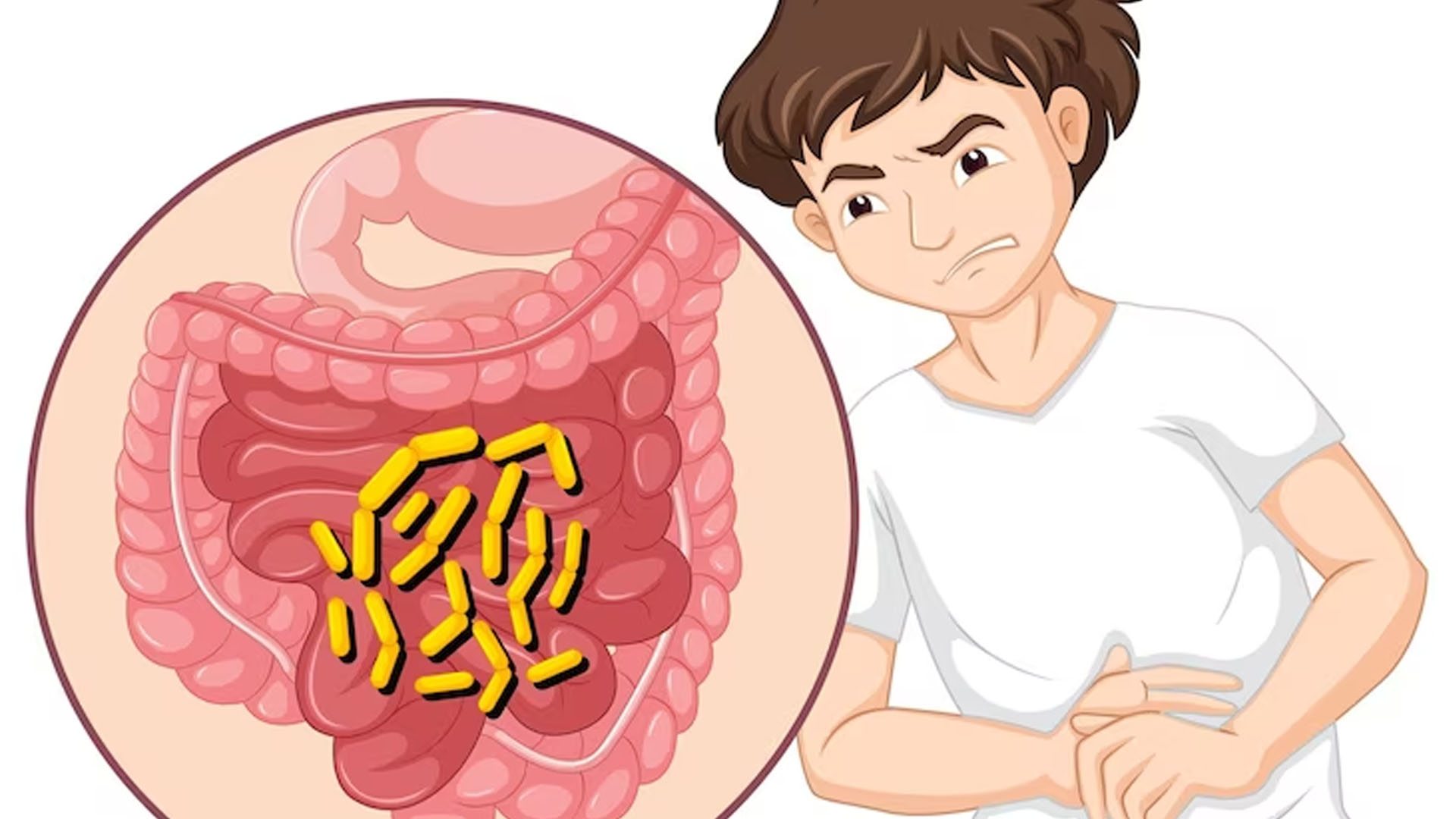
Intestinal worms are a common but often overlooked health concern that can cause a range of symptoms and complications if left untreated.
We explore the various types of intestinal worms, how to identify them in stool samples, and the potential risks and complications associated with these parasites.
Learn when to seek medical advice, how intestinal worms are diagnosed, and the treatment options available.
Find preventive measures to help protect yourself from intestinal worms.
If you’re experiencing symptoms like bloating and suspect intestinal worms may be the cause, read on to learn more. For a natural solution to digestive issues, consider trying doTERRA essential oils. Discover the benefits of doTERRA essential oils for intestinal health: NaturalHealingSG.com/doterra
Key Takeaways:
- Tapeworms are a type of intestinal worm that can cause bloating and other uncomfortable symptoms.
- Bloating may be a sign of tapeworm infection, but other symptoms such as weight loss and nausea should also be monitored.
- Doterra essential oil may be an effective solution for addressing digestion problems and preventing intestinal worms. Get yours today!
Understanding Intestinal Worms
Understanding Intestinal Worms involves recognizing the various types of parasitic worms that can infect the digestive system.
Intestinal worms are categorized into different types, such as roundworms, tapeworms, hookworms, and pinworms, each with distinct characteristics.
Tapeworm infection, caused by ingesting contaminated food or water, can lead to symptoms like abdominal pain, weight loss, and even malnutrition.
Common symptoms of intestinal worm infections include abdominal discomfort, diarrhea, fatigue, and visible worms in stool. Healthcare providers play a crucial role in diagnosing intestinal worm infections through stool tests, imaging scans, and physical examinations. Treatment usually involves medications tailored to the specific type of parasite to eradicate the infection effectively.
Symptoms of Intestinal Worms
The symptoms of intestinal worms, including tapeworms, in humans can manifest as abdominal pain and diarrhea.
Individuals with tapeworms may experience unexpected weight loss, fatigue, and nausea. The presence of intestinal worms can also lead to nutritional deficiencies due to the parasites absorbing nutrients from the gastrointestinal tract. In severe cases, intestinal worm infections can cause vomiting, bloating, and even visible worm segments in the stool. It’s important to seek medical attention if any of these symptoms persist, as treatment for tapeworm and other intestinal parasites is necessary to prevent further complications.”
Identification of Intestinal Worms in Stool
Identifying intestinal worms in stool may involve recognizing proglottids or tapeworm segments, indicating a possible infection in humans.
When examining stool samples for tapeworm infections, one may observe small, white, mobile segments resembling grains of rice. These tapeworm segments can either be fully intact or in pieces due to the way tapeworms reproduce. For instance, proglottids, the body segments of tapeworms, are shed in feces and can be detected under a microscope. In some cases, segments may even be visible to the naked eye.
Common Types of Intestinal Worms
Among the common types of intestinal worms are the pork tapeworm, beef tapeworm, dwarf tapeworm, and fish tapeworm.
Pork tapeworm, also known as Taenia solium, is contracted by consuming undercooked pork contaminated with larvae. Once ingested, the larvae hatch in the small intestine and attach themselves to the intestinal wall, where they grow into adult tapeworms and produce eggs. These eggs can spread to other tissues in the body, leading to cysticercosis, a serious condition that affects the brain, muscles, and other organs.
Beef tapeworm, or Taenia saginata, is typically acquired by consuming raw or undercooked beef containing the tapeworm larvae. Similar to the pork tapeworm, the larvae develop into adult tapeworms in the intestines and release eggs that can spread to different parts of the body, causing cysticercosis.
Dwarf tapeworm, scientifically referred to as Hymenolepis nana, is the most common tapeworm infection in humans. This type of tapeworm is transmitted through contaminated food or water. Despite its small size, the dwarf tapeworm can still cause significant gastrointestinal issues, including abdominal pain, nausea, and diarrhea.
Fish tapeworm, also known as Diphyllobothrium latum, is transmitted via raw or undercooked fish, especially freshwater fish. Once ingested, the larvae develop into adult tapeworms in the intestines. Fish tapeworm infections can lead to vitamin B12 deficiency and result in symptoms such as fatigue, weakness, and neurological problems.
Tapeworms
Tapeworms are intestinal parasites that can infect humans, leading to various symptoms and potential complications.
Flukes
Flukes are another type of intestinal parasite that can cause symptoms upon infection.
These parasitic organisms typically enter the body through contaminated water, undercooked fish, or aquatic plants. Once inside the human body, flukes can attach themselves to the walls of the intestines, causing irritation and potential damage. Symptoms of fluke infection may include abdominal pain, diarrhea, nausea, and weight loss. In severe cases, fluke infestations can lead to complications such as malnutrition, anemia, and even liver damage.
Pinworms
Pinworms are small parasites that commonly infect the intestines, often leading to symptoms that aid in diagnosis.
These intestinal parasites, also known as enterobiasis or threadworms, are particularly common in children. The most typical symptom of a pinworm infection is intense itching around the anus, especially at night. This itching is caused by the female pinworms laying their eggs around the anal area. Other symptoms may include disturbed sleep, irritability, and even weight loss.
Diagnosing pinworms often involves a simple and non-invasive process of using adhesive tape to collect pinworm eggs from the skin around the anus. The eggs are then examined under a microscope to confirm the presence of the parasite. Once diagnosed, treatment options usually include oral medication such as mebendazole or albendazole, which effectively eliminate the pinworm infection.
Hookworms
Hookworms are parasites that can cause symptoms in the host and are influenced by specific risk factors.
The most common types of hookworms that infect humans are Ancylostoma duodenale and Necator americanus, which typically enter the body through the skin, usually when walking barefoot on contaminated soil. Upon entry, these parasites make their way to the intestines, where they latch onto the intestinal wall and feed on blood, leading to symptoms such as abdominal pain, diarrhea, fatigue, and anemia.
Those who live in or travel to areas with poor sanitation and hygiene practices are at higher risk of hookworm infection due to the presence of contaminated soil. In addition, activities such as farming, gardening, and walking barefoot increase the chances of exposure to infective hookworm larvae.
Ascariasis
Ascariasis is an intestinal infection caused by roundworms that can result in various symptoms and potential complications.
When an individual is infected with roundworms, also known as Ascaris lumbricoides, they may experience symptoms such as abdominal pain, vomiting, and gastrointestinal obstruction. These worms can also migrate to other organs such as the liver or lungs, leading to conditions like hepatomegaly or pneumonia. If left untreated, ascariasis can lead to severe complications including intestinal blockages, malnutrition, and even pancreatitis. Therefore, early detection and proper treatment of this parasitic infection are crucial to prevent further health issues.
Visual Reference: Pictures of Intestinal Worms
Visual references, such as pictures of different intestinal worms, can aid in identifying these parasites for better understanding.
Intestinal worms, also known as helminths, are a diverse group of parasites that can infect the gastrointestinal tract of humans. These worms vary in size, shape, and color, making it essential to recognize their distinct characteristics. By looking at visual aids depicting various types of intestinal worms, individuals can learn to differentiate between common parasites like roundworms, tapeworms, and hookworms. These images can help in understanding the lifecycle and transmission routes of intestinal worms, guiding healthcare professionals in providing effective treatment strategies.
Potential Causes of Intestinal Worms
Various factors contribute to the development of intestinal worms, including tapeworm infections that can affect the human body.
The presence of tapeworms in the intestines can lead to a range of symptoms and complications. Tapeworm infections are commonly caused by consuming contaminated food or water containing tapeworm eggs or larvae. These parasites can grow inside the intestines, robbing the body of vital nutrients and causing issues such as abdominal pain, weight loss, and vitamin deficiencies.
One of the distinctive characteristics of tapeworm infections is their ability to reach significant lengths within the human body, posing risks to various organs and systems. The tapeworms can attach themselves to the intestinal walls, disrupting normal digestion processes and possibly leading to severe health consequences if left untreated.
Risk Factors Associated with Intestinal Worms
Certain risk factors, such as human tapeworm infections, can increase the likelihood of being affected by intestinal worms.
One of the significant risk factors for intestinal worm infections is poor hygiene practices, including not washing hands before eating. This can lead to ingesting the eggs of intestinal worms which can then develop into larvae in the intestines.
Poor sanitation conditions also play a crucial role in the transmission of these parasites. Living in areas with inadequate sanitation facilities increases the risk of exposure to contaminated food and water sources, which can harbor the parasite’s eggs.
Furthermore, consumption of undercooked or raw meat from infected animals poses a risk of contracting tapeworm infections. This is because the larvae of tapeworms can be present in the muscle tissue of infected animals, and when consumed by humans, they can develop into adult worms in the intestines.
Possible Complications from Intestinal Worms
Intestinal worm infections can lead to various complications, especially in cases of human tapeworm infections or dwarf tapeworm complications.
In terms of human tapeworm infections, one of the primary risks involves the development of cysticercosis, where larvae lodge and form cysts in different organs, including the brain, leading to seizures, neurological symptoms, and potentially serious complications. On the other hand, dwarf tapeworm complications typically revolve around nutritional deficiencies and anemia due to the parasite’s ability to compete for essential nutrients in the intestines, putting individuals at risk of weakness, fatigue, and impaired growth.
When to Seek Medical Advice
It is crucial to seek medical advice promptly, especially in cases where emergency medical care is warranted, or when following a tapeworm infection guide from a healthcare provider.
Intestinal worm infections can sometimes present with symptoms that may require urgent attention. If you experience severe abdominal pain, persistent nausea, vomiting, unexplained weight loss, or notice unusual changes in bowel habits, it is important to consult a healthcare professional promptly. While some cases of intestinal worms can be managed with over-the-counter medications, complex or severe infections may necessitate emergency medical care.
Furthermore, tapeworm infection is a specific type of intestinal parasite that can lead to serious health complications if left untreated. If there are signs such as segments of the worm in your stool, constant fatigue, or unexplained weakness, seeking immediate medical evaluation is crucial to prevent potential complications.
Diagnosing Intestinal Worms
Diagnosing intestinal worms involves identifying symptoms, understanding potential causes, and determining the appropriate course of diagnosis and treatment.
In terms of symptom recognition, individuals may experience abdominal pain, diarrhea, nausea, weight loss, and fatigue. These symptoms can be caused by various types of parasites such as roundworms, hookworms, and tapeworms.
- Diagnostic methods for intestinal worm infections include stool analysis, blood tests, and imaging studies like ultrasonography. These tests help identify the specific type of parasite present in the body.
- Treatment protocols usually involve prescribed anthelmintic medications that target and eliminate the worms.
It is essential to consult a healthcare professional for accurate diagnosis and tailored treatment plans.
Treatment Options for Intestinal Worms
Treatment options for intestinal worms may include addressing stomach infections and managing complications associated with dwarf tapeworm infections.
In terms of treating stomach infections, healthcare providers often prescribe anthelmintic medications, which are specifically designed to target and eliminate the worms residing in the digestive tract. These medications work by either paralyzing the worms or causing them to detach from the intestinal walls, allowing for their expulsion from the body. Maintaining proper hygiene practices and ensuring a clean food and water source can help prevent reinfection.
In cases of complications related to dwarf tapeworm infections, such as nutritional deficiencies or severe gastrointestinal symptoms, symptomatic treatment and close monitoring are crucial. Patients may require supplementation with essential nutrients to address deficiencies and alleviate symptoms. Regular follow-up appointments with healthcare providers are essential to track progress and ensure proper management of any ongoing issues.
Preventive Measures for Intestinal Worms
Preventing intestinal worm infections involves measures such as avoiding tapeworms in humans and seeking guidance from healthcare providers to mitigate risks like dwarf tapeworm infection.
One key strategy in preventing tapeworm infections is to maintain good hygiene practices, especially when handling or consuming raw or undercooked meat.
You can also reduce the risk of intestinal worm infestations by washing your hands thoroughly before eating and after using the toilet, as this can help prevent the ingestion of worm eggs.
It is crucial to ensure proper sanitation in living environments to limit exposure to contaminated soil or water sources which may harbor worm larvae.
If there are concerns about potential tapeworm infections, it is advisable to consult with a healthcare professional for specific guidance on suitable preventative measures and treatment options.
Frequently Asked Questions
1. Do tapeworms cause bloating?
Yes, tapeworms can cause bloating as they live and grow within the intestines, causing inflammation and disrupting normal digestion.
2. What are the symptoms of tapeworm infestation?
Aside from bloating, other symptoms of tapeworm infestation include abdominal pain, nausea, vomiting, diarrhea, and weight loss.
3. Can doterra essential oil help with bloating caused by tapeworms?
Yes, doterra essential oil has been known to improve digestion and reduce bloating, making it an effective natural remedy for tapeworm infestation.
4. How do I use doterra essential oil for tapeworm infestation?
You can use doterra essential oil topically by diluting it with a carrier oil and applying it to your abdomen, or by ingesting it in a glass of water or in a capsule.
5. Is doterra essential oil safe for children with tapeworm infestation?
Yes, doterra essential oil is safe for children, but it is recommended to consult with a healthcare professional before using it on children.
6. Where can I purchase doterra essential oil?
You can purchase doterra essential oil at NaturalHealingSG.com/doterra, where you can find a variety of high-quality essential oils and other natural remedies for digestion and overall wellness.


